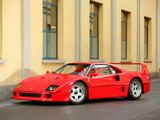
Ferrari F40 — суперкар, определивший целую эпоху
Ferrari F40
Ferrari F40•
•163 просмотра
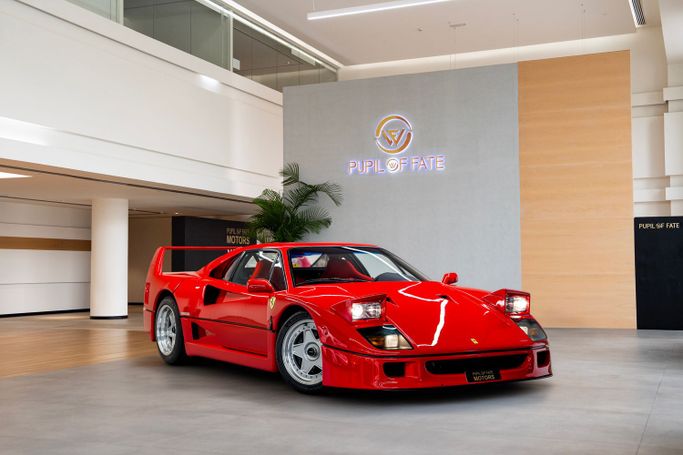
Некоторые автомобили становятся успешными. Некоторые — коллекционными. А есть избранные модели, которые выходят за пределы автомобильного мира и становятся легендами. Ferrari F40 — одна из таких редких машин.
Спустя более трех десятилетий после своего появления Ferrari F40 остается одним из самых культовых суперкаров в истории. Этот автомобиль воплощает чистейшее выражение философии Ferrari: легкая конструкция, гоночные технологии и бескомпромиссная ориентация на производительность.
В Pupil of Fate Motors мы увлечены автомобилями, изменившими историю автомобилестроения, и лишь немногие машины оказали большее влияние, чем Ferrari F40. Это не просто классический Ferrari, а символ эпохи, когда суперкар был необузданным, механическим и созданным без компромиссов.
Автомобиль, созданный в честь наследия Ferrari
Ferrari F40 представили в 1987 году в честь 40-летия Ferrari, что сделало его одной из самых значимых моделей марки. Более того, это последний Ferrari, лично одобренный Энцо Феррари до его смерти в 1988 году.
Уже один этот факт занимает особое место в автомобильной истории.
При создании модели Ferrari стремилась построить идеальный дорожный автомобиль с выдающимися характеристиками. Целью не были роскошь или комфорт. Целью были скорость, эмоции и вовлеченность водителя.
В результате появился автомобиль, поразивший мир и сразу ставший одной из самых желанных машин в истории.
Дизайн: функциональная красота
В отличие от многих современных суперкаров, использующих сложную активную аэродинамику и эффектные элементы стиля, Ferrari F40 проектировали с одной целью: добиться максимальной производительности.
Каждая линия, вентиляционное отверстие и изгиб выполняют свою функцию.
Низкий нос, агрессивные передние воздухозаборники, широкая колея и культовое заднее антикрыло обеспечивают аэродинамическую эффективность и устойчивость на высокой скорости.
Созданный Pininfarina, F40 остается одним из самых узнаваемых Ferrari. Его форма неподвластна времени благодаря своей честности. Ничего лишнего. Ничего декоративного.
И сегодня силуэт F40 мгновенно узнают энтузиасты по всему миру.
Шедевр с двумя турбокомпрессорами
В основе Ferrari F40 лежит один из самых прославленных двигателей в истории Ferrari.
F40 оснащен 2,9-литровым V8 с двумя турбокомпрессорами мощностью около 478 лошадиных сил.
По современным меркам эти цифры могут показаться скромными, но в конце 1980-х они были выдающимися.
Что еще важнее, благодаря малой массе F40 каждая лошадиная сила использовалась с максимальной отдачей.
Двигатель развивает мощность так, как современные спортивные автомобили просто не способны повторить. Турбояма. Механический шум. Драма.
Когда турбокомпрессоры вступают в работу, F40 превращается из относительно послушного спорткара в агрессивную машину, требующую уважения и вознаграждающую мастерство.
Именно эту непредсказуемость так ценят энтузиасты.
Легкая конструкция, опередившая свое время
Одна из причин, по которой Ferrari F40 стал легендой, — одержимость снижением массы.
Инженеры Ferrari использовали передовые материалы, редко встречавшиеся в серийных автомобилях того времени, в том числе:
- Углеродное волокно
- Кевлар
- Алюминий
- Композитные материалы
В результате сухая масса составила около 1100 килограммов.
Даже по современным меркам это впечатляющий показатель.
Легкая конструкция обеспечила F40 выдающиеся динамические возможности и невероятную отзывчивость.
Каждое движение рулем, изменение положения педали газа и торможение ощущаются мгновенно и непосредственно.
Автомобиль напрямую общается с водителем, создавая впечатления, с которыми многим современным суперкарам трудно сравниться.
Самый быстрый серийный автомобиль своего времени
После выхода Ferrari F40 стал самым быстрым серийным автомобилем в мире.
Основные динамические показатели:
- Разгон 0–100 км/ч примерно за 4,1 секунды
- Максимальная скорость свыше 320 км/ч
Преодоление рубежа в 320 км/ч было выдающимся достижением в 1980-х и помогло F40 стать эталоном динамики суперкаров.
Он был не просто быстрым для своей эпохи.
Он изменил представление о возможностях дорожного автомобиля.
Салон, ориентированный на вождение
Сев в Ferrari F40, сразу понимаешь: роскошь никогда не была приоритетом.
Салон аскетичен и функционален.
Никакого лишнего веса. Никаких ненужных технологий. Никаких попыток изолировать водителя от дороги.
Вместо этого здесь есть:
- Легкие гоночные сиденья
- Открытые элементы из углеродного волокна
- Минимальная шумоизоляция
- Простые органы управления
Даже дверные панели спроектированы с учетом экономии массы.
В результате водительское место больше напоминает гоночный автомобиль, чем дорожный.
Все в салоне F40 служит впечатлениям от вождения.
Почему Ferrari F40 стал легендой
Многие автомобили быстры.
Многие автомобили редки.
Легендами становятся лишь немногие.
Ferrari F40 обрел легендарный статус, потому что появился в идеальный момент автомобильной истории.
В нем сочетались:
- Революционные характеристики
- Легкая конструкция
- Технологии, вдохновленные автоспортом
- Наследие Ferrari
- Личное участие Энцо Феррари
Вместе эти качества создали нечто поистине особенное.
F40 был не просто продуктом своего времени. Он стал мерилом, по которому оценивали будущие суперкары.
Коллекционная привлекательность Ferrari F40
Сегодня Ferrari F40 считается одним из самых желанных коллекционных автомобилей в мире.
Его привлекательность продолжает расти по нескольким причинам:
Историческое значение
Как модель к 40-летию Ferrari и последний автомобиль марки, одобренный Энцо Феррари, F40 занимает уникальное место в автомобильной истории.
Ограниченный выпуск
Хотя Ferrari выпустила больше F40, чем планировалось изначально, автомобиль остается эксклюзивным и чрезвычайно востребованным коллекционерами по всему миру.
Аналоговые ощущения от вождения
Современные суперкары все больше зависят от электроники и систем помощи водителю.
F40 предлагает нечто иное: чистую механическую связь между автомобилем и водителем.
Вневременной дизайн
В отличие от многих спортивных автомобилей, которые со временем устаревают, дизайн F40 и сегодня столь же выразителен, как в 1987 году.
F40 в современном автомобильном мире
Более чем через тридцать лет после дебюта Ferrari F40 продолжает вызывать восхищение у энтузиастов всех возрастов.
В эпоху гибридных гиперкаров и передовых технологий F40 олицетворяет нечто все более редкое.
Он олицетворяет простоту.
Он олицетворяет смелость.
Он олицетворяет время, когда производительность достигалась инженерным совершенством, а не электронным вмешательством.
Сегодня поездка на F40 — словно возвращение в золотую эпоху автомобильной страсти.
Почему таким автомобилям, как Ferrari F40, место в Pupil of Fate Motors
В Pupil of Fate Motors мы считаем, что самые значимые автомобили — те, что оставляют неизгладимый след в автомобильной культуре.
Ferrari F40 именно таков.
Это не просто коллекционный актив или классический автомобиль инвестиционного класса.
Это машина, изменившая представления о том, каким может быть суперкар.
Ее влияние по-прежнему заметно в современных моделях Ferrari, гиперкарах и инженерных решениях автоспорта.
Для коллекционеров это один из важнейших Ferrari в истории.
Для энтузиастов он остается автомобилем мечты.
А в истории автомобилестроения он — одно из величайших достижений, когда-либо украшенных эмблемой гарцующего жеребца.
Заключение
Ferrari F40 — это больше, чем просто суперкар.
Это символ наследия Ferrari, инженерного совершенства и неустанного стремления к производительности.
Благодаря V8 с двумя турбокомпрессорами, легкой конструкции, гоночному дизайну и историческому значению F40 остается одним из самых влиятельных и прославленных автомобилей в истории.
Спустя десятилетия после выхода он продолжает будоражить воображение коллекционеров и энтузиастов по всему миру.
В Pupil of Fate Motors мы гордимся тем, что отмечаем такие легенды, как Ferrari F40, — автомобили, которые не только редки и ценны, но и рассказывают историю величия автомобилестроения.
Потому что одни автомобили помнят.
Ferrari F40 помнят всегда.