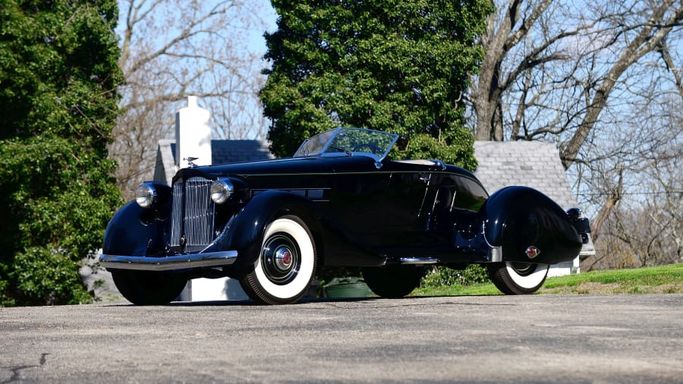
Packard Twelve Gentleman’s Tailback Speedster, 1936
Packard Twelve
Packard Twelve•
•39 просмотров
Номер шасси: 904080
Аукцион: Monterey 2016
Дата аукциона: 20 августа 2016 года
Номер лота: S50
1 500 000 $ | Максимальная ставка
- Цвет кузова: чёрный
- Тип кузова: Tailback Speedster
- По данным музея America's Packard Museum, кузов этого автомобиля был спроектирован и изготовлен в Париже голландцем Датчем Дэррином
- Отреставрирован Гарольдом Слайгером при содействии Датча Дэррина в 1970-х годах
- Упоминался в выпуске информационного бюллетеня AACA за 1988 год, где были представлены сертификат подлинности и перечень уникальных деталей, указанных Датчем Дэррином
- Недавно отреставрирован Фрэном Роксасом: работа заняла 3 года и 7 000 часов, вложено 450 000 долларов
На протяжении многих лет происхождение этого автомобиля было предметом многочисленных исследований историков и любопытства страстных поклонников Packard. На протяжении нескольких десятилетий высказывались различные мнения о происхождении машины и её ранней истории. Как аукционный дом, мы раскроем имеющуюся информацию, которая стала нам известна, чтобы предоставить потенциальным покупателям как можно больше данных и помочь им принять решение об уверенном участии в торгах. Обратите внимание: этот Packard Twelve Gentleman’s Tailback Speedster 1936 года выставлен на продажу музеем America's Packard Museum в Дейтоне, штат Огайо; нижеследующий рассказ предоставлен историком музея.
Этот Packard Fernandez & Darrin Speedster 1936 года — один из самых впечатляющих Packard из когда-либо созданных: изысканный дизайн, великолепное исполнение и безупречная реставрация. Это единственный в своём роде спортивный автомобиль Packard с двигателем V12. Недавно завершилась его реставрация, занявшая 3 года и 7 000 часов и обошедшаяся более чем в 450 000 долларов. Безусловно, это один из лучших автомобилей классической эпохи, когда-либо выпущенных любой маркой. Его чёрное, как смоль, покрытие безупречно; отделка салона кожей страуса цвета тауп и шерстью Wilton безукоризненна, как и все хромированные детали внутри и снаружи. Все приборы работают исправно; автомобиль едет и управляется как новый.
По данным America's Packard Museum, кузов был спроектирован и изготовлен легендарным Говардом «Датчем» Дэррином в Париже в 1936 году, когда он был партнёром Ж. Фернандеса — состоятельного банкира и производителя мебели. Это один из пяти или шести спидстеров (исторические сведения здесь несколько расплывчаты), построенных Дэррином на различных шасси, включая Packard, Duesenberg, Delage и Buick (и, возможно, ещё одну марку) в 1936–1937 годах, незадолго до того, как Дэррин закрыл парижское предприятие и в середине 1937 года вернулся в Голливуд, штат Калифорния.
Считается, что экземпляр на базе Buick сохранился до наших дней, а Delage увидели по национальному телевидению — в нём ехал президент Джимми Картер. Эти спидстеры создавались на основе заготовок кузовов Auburn Speedster, которые Дэррину удалось приобрести у испытывавшего финансовые трудности парижского дистрибьютора Auburn. Считается, что именно этот автомобиль изначально заказал парижский плейбой граф Арман де Ларошфуко, друг Дэррина по игре в поло. Дэррин разделял страсть к поло с Ларошфуко. Тот не обладал мастерством Дэррина, но был большим поклонником этого спорта и владел многими пони, на которых ездил Дэррин.
Согласно сообщениям, к началу 1937 года Ларошфуко владел не только автомобилем Fernandez & Darrin Town Car на шасси Hispano-Suiza, но и Packard Twelve Speedster. Как и многие другие великолепные автомобили, эта машина со временем обросла «легендой»: утверждается, что некий мистер Дик Сондерс в северной части штата Нью-Йорк создал этот шедевр на колёсах «у себя во дворе», используя верёвку, ветку дерева, заброшенный кузов Auburn с хвостовой частью в форме лодки, а также шасси и двигатель Packard Twelve. А может быть, сначала использовалось шасси Marmon — с двигателем Marmon V16 или без него, в зависимости от того, кто рассказывает ту или иную версию «легенды». Или же Packard Twelve был установлен на шасси Marmon.
А может, двигатель Marmon V16 стоял на шасси Packard. Документы свидетельствуют, что за свою жизнь мистер Сондерс владел 116 автомобилями Packard. Он был одним из пионеров тюнинга Packard и за эти годы создал множество индивидуальных спидстеров Packard. Мистер Сондерс был заядлым мастером на все руки и любил собирать машины по принципу «с миру по нитке», комбинируя разные двигатели, шасси и кузова. Документально подтверждено, что мистеру Сондерсу принадлежали два или более спидстеров Packard с уникальными кузовами Auburn. После смерти Сондерса его автомобиль с кузовом типа «боуттейл» перешёл из наследственной массы к мистеру Гарольду Слайгеру из Иллинойса. Слайгер проявил благоразумие и разыскал мистера
Дэррина, чтобы посоветоваться с ним о возвращении автомобиля к первоначальному великолепию. Мистер Дэррин согласился помочь Слайгеру и подсказать, что нужно было сделать, отменить или переделать, чтобы вернуть машине первоначальный облик. Слайгер провёл много вечеров за телефонными разговорами с Дэррином и его сыном Патриком, обсуждая эти вопросы. Когда по работе дальнобойщиком его заносило в Калифорнию, он лично встречался с ними обоими, чтобы обсудить то же самое. Патрик вспоминает эти визиты и звонки, в которых он участвовал. По его словам, отец говорил ему и мистеру Слайгеру, что создал этот автомобиль в Париже.


Как знает каждый, кто пытался опровергнуть расплывчатые утверждения и намёки после того, как они получили широкое распространение, добиться внимания с помощью фактов и восстановить истину труднее, чем посеять сомнения и бросить тень подозрения. Тем не менее Packard Museum предлагает вашему вниманию следующие факты. Они показывают, что Packard Twelve 1936 года мог быть создан только мастером-дизайнером и кузовщиком уровня Датча Дэррина, а не увлечённым кастомайзером, чья специализация заключалась в смешивании деталей разных марок и моделей ради возрождения великих классических автомобилей 1930-х годов.
Как же примирить противоречащие друг другу убеждения и документы, которыми располагают две добросовестные стороны этого спора? Мы приводим бесспорные факты обеих сторон, чтобы полностью раскрыть всю известную информацию. Факты, представленные America's Packard Museum. Вопрос о подлинности уже рассматривался и должен был быть окончательно разрешён благодаря исследованиям уважаемых автомобильных историков Эда Бленда и Роберта Тёрнквиста совместно с Датчем Дэррином при его жизни. Позднее результаты были опубликованы в статье мистера Бленда в журнале AACA, том 52, № 4 (1988). В этой статье, опираясь на продолжительные беседы с самим Датчем Дэррином и другими людьми, мистер
Бленд делает следующий вывод: «После полной реставрации и реконструкции было вне всяких сомнений доказано — система нумерации Дэррина, а также штампованные и литые детали с его логотипом и личное подтверждение самого мастера свидетельствуют о подлинности автомобиля и его истинном происхождении». В 1978 году Датч Дэррин написал подтверждающее письмо: «Я хотел бы подтвердить подлинность и историю Packard Twelve 1936 года Гарольда Слайгера — Fernandez & Darrin Boattail Speedster, — как одного из созданных мной автомобилей». Во время одного из интервью мистер Дэррин предоставил мистеру Бленду и мистеру
Тёрнквисту подробный перечень конкретных деталей и номеров Packard и Fernandez & Darrin, использовавшихся при создании спидстера 1936 года и сохранившихся на нём. Не оспаривается, что Патрик участвовал в этих беседах и лично был их свидетелем; кроме того, его отец не раз подробно говорил Слайгеру или самому Патрику, что это «его» автомобиль. Если бы мистер Дэррин не построил эту великолепную машину в Париже; если бы её действительно наскоро собрали на чьём-то заднем дворе в северной части штата Нью-Йорк; если бы у Дэррина прежде не было к ней никакого отношения, то откуда бы у него взялся такой документ?
Не оспаривается, что во время Великой депрессии Датч Дэррин купил у парижского дистрибьютора Auburn пять или шесть заготовок кузовов Auburn с хвостовой частью в форме лодки. Один кузов стал основой спидстера Duesenberg, другой — Packard Eight, Buick и Delage. Никто, похоже, не знает наверняка, приобрёл ли Дэррин шестую машину и, если приобрёл, что с ней стало.
Не оспаривается, что в Packard Twelve Boattail 1936 года есть характерные для Дэррина элементы дизайна: штампованная или литая буква «D» — инициал Дэррина — на дверных петлях, задних планках бамперов и зажимах; следы европейского метода изготовления кузовных молдингов с заливкой свинцом и припаянными гвоздиками в задней части кузова; несколько изменений кузова, для которых требовалась специальная оснастка для листового металла; обратный изгиб листового металла на 90 градусов, который невозможно выполнить вручную и для которого нужны мастерство и инструменты кузовщика; а также, что особенно важно, запатентованный Дэррином «быстроскладной верх» за спинкой сиденья. Также не оспаривается, что, согласно Роберту
https://www.mecum.com/lots/244544/1936-packard-twelve-gentlemans-tailback-speedster/