بورشه 959 «Komfort»، 1987
Porsche 959
Porsche 959•
•112 مشاهدة
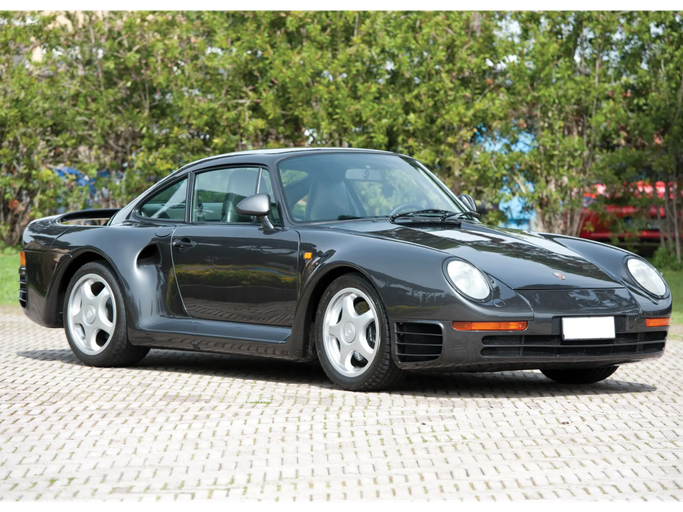
رقم الهيكل: WP0ZZZ95ZHS900083
رقم المحرك: 65H00122
التسجيل: دفتر تسجيل إيطالي
الموقع: مونت كارلو، موناكو
837,500 يورو | بيعت
- السيارة رقم 67 من طراز 959
- خضعت لصيانة كبيرة مؤخراً، وجاهزة للقيادة والاستمتاع بها
- تركيبة لونية نادرة بالرمادي الأنثراسيت
في عالم السيارات، كان تصنيف المجموعة B التابع للاتحاد الدولي للسيارات (FIA) أشبه حقاً بالغرب المتوحش. فمع السماح عملياً بأي تقنية، لم يكن هناك حد لما يمكن للمصنّعين ابتكاره وبنائه من سيارات تتجاوز حدود رياضة السيارات كما لم يحدث من قبل. وبالطبع، فإن هذا السباق المحموم ظاهرياً نحو مزيد من القوة والأداء، مع قلة القيود التنظيمية، جعل المجموعة B سيئة السمعة لخطورتها، وقصيرة العمر في نهاية المطاف. ولتأهيل سياراتهم للسباقات، كان على المصنّعين إنتاج ما لا يقل عن 200 نسخة قانونية للسير على الطرق من سيارات السباق، ما أتاح للأثرياء فرصة اختبار جنون المجموعة B على الطرق العامة، وأفضى إلى ابتكار بعض من أكثر السيارات إثارة في العالم.
ظهرت سيارة بورشه المنافسة في المجموعة B للمرة الأولى في معرض فرانكفورت للسيارات عام 1983، وأُطلق عليها اسم «Gruppe B». وبهيئة ظلية شبيهة بسيارة 911، كان نظام الدفع الرباعي في صميم تصميمها، وبُذل جهد فكري وتقني هائل لجعل نسخة المنافسات، Type 961، قادرة على المنافسة قدر الإمكان، عبر ابتكار سيارة متقدمة تقنياً إلى حد بعيد. وعندما أُلغيت المجموعة B، تقرر الإبقاء على النسخة المخصصة للطرقات من 961 سعياً إلى استرداد جزء من تكاليف التطوير الباهظة. وهكذا ظهرت 959.
صُنعت أقل من 300 سيارة، وبلغت تكلفة كل منها على الشركة المصنّعة مبلغاً يفوق بكثير سعرها الباهظ البالغ 420,000 مارك ألماني. لكنها لم تكن مخيبة للآمال، بل أرست بداية ربع القرن التالي من تطوير السيارات الخارقة، بفضل مجموعة من التقنيات التي بدت آنذاك وكأنها من عالم آخر. وقد أتاح نظام Porsche-Steuer-Kupplung (PSK) للسائق توزيع عزم الدوران البالغ 370 رطلاً-قدماً بين المحورين الأمامي والخلفي، مع إمكانية توجيه ما يصل إلى 80 في المئة إلى الخلف أثناء التسارع القوي، وكل ذلك بتحكم إلكتروني.
كما استند نظام التعليق المتطور للغاية في 959 إلى تقنيات السباقات، مع أذرع مزدوجة على شكل عظم الترقوة عند كل عجلة، ونوابض لولبية وممتصّي صدمات يمكن ضبطهما بتدوير مقبض من مقعد السائق. وكان كل من ارتفاع السيارة وتخميد ممتصات الصدمات قابلين للضبط إلكترونياً، فيما أبقت مجموعة كاملة من العدادات السائق على اطلاع بكل ما يجري خلفه وتحته.
كان المحرك المسطح سداسي الأسطوانات الجبار ينقل القوة إلى العجلات الأربع عبر علبة تروس يدوية فريدة من ست سرعات، تضمنت ترساً فائق الانخفاض للطرق الوعرة، في إشارة إلى قدرات 959 الكبيرة. لم تكن بورشه أول من استخدم الدفع الرباعي، لكن نظام 959 القابل للبرمجة وزّع القوة على إطارات Bridgestone RE71 الأربعة بقدرة مذهلة على التماسك. ولفّت هذه الإطارات حول عجلات خاصة من سبائك المغنيسيوم قياس 17 بوصة، زُوّدت بأول نظام آلي في العالم لمراقبة ضغط الإطارات.
تحت هيكلها المصمم خصيصاً، تميز محرك 959 المسطح سداسي الأسطوانات بأسطوانات مبردة بالهواء ورؤوس مبردة بالماء، وبلغت قوته المذهلة حتى اليوم 156 حصاناً لكل لتر، ما أتاح التسارع من 0 إلى 100 كم/ساعة في أقل من أربع ثوانٍ، وسرعة قصوى تقل بقليل عن العلامة الأسطورية البالغة 200 ميل في الساعة. وبصرف النظر عن أدائها، فقد قدمت نسخة «Komfort» كسوة جلدية كاملة وتكييفاً للهواء، إلى جانب وسائل رفاهية أخرى لم تكن متوفرة في Ferrari F40، رغم أنها قدمت المستوى نفسه من الأداء الرائد عالمياً. أشادت بها وسائل الإعلام المعاصرة، وأصبحت أسطورة حتى قبل اكتمال إنتاجها الاعتيادي. وكتبت مجلة Car and Driver بعد تجربة 959 عام 1987: «إن وصفها بالمثالية ليس سوى أقل المبالغات».
كانت سيارة 959 Komfort المعروضة هنا المثال رقم 67 الذي أُنتج، وسُلّمت جديدة في موطنها ألمانيا. وفي عام 1996، سُجلت برقم BBY959، ثم استوردت إلى إيطاليا في أواخر عام 1999. وبعد ذلك، تعاقب عليها ثلاثة مالكين إلى أن اشتراها مالكها الحالي عام 2013. وخلال السنوات الخمس الماضية، أنفق المالك الحالي ما يقارب 60,000 يورو على صيانتها، شملت أعمالاً أُنجزت في Centro Porsche Padova في أعوام 2013 و2014 وهذا العام. وإلى جانب الفواتير المذكورة، تأتي 959 أيضاً مصحوبة بشهادة من Automotoclub Storico Italiano تؤكد مصدرها. ولا يُظهر طلاء السيارة الرمادي الداكن سوى آثار قليلة للاستخدام، بما يتناسب مع قراءة عدادها البالغة 49,000 كم، منها 4,000 كم قطعها المالك الحالي.
وعليه، فإن هذه 959 جاهزة حقاً للقيادة والاستمتاع بها. بأدائها المثير الذي سيترك معظم سيارات الإنتاج الحالية خلفه، إنها سيارة وُلدت ونشأت في بوتقة رياضة السيارات، ومع ذلك كانت متفوقة تقنياً على نحو فريد. إنها بحق أعجوبة في هندسة السيارات، ولا تزال متقدمة تقنياً بعد نحو ثلاثة عقود من إنتاجها الأول.
في عالم السيارات، كان تصنيف المجموعة B التابع للاتحاد الدولي للسيارات (FIA) أشبه حقاً بالغرب المتوحش. فقد كان مسموحاً عملياً باستخدام جميع التقنيات، ما أتاح للمصنّعين حرية غير محدودة لتصميم وبناء سيارات تتجاوز حدود رياضة السيارات كما لم يحدث من قبل. وبالطبع، فإن هذا السباق المحموم ظاهرياً نحو مزيد من القوة والأداء، مع قلة القيود التنظيمية، جعل المجموعة B سيئة السمعة لخطورتها، وقصيرة العمر في نهاية المطاف.


كان تأهيل السيارات للسباقات يتطلب من المصنّعين إنتاج 200 نسخة منها على الأقل مخصصة للطرقات، ما أتاح لبعض الأفراد الأثرياء فرصة اختبار جنون المجموعة B على الطرق العامة، خلف مقود بعض أكثر السيارات إثارة في العالم.
كُشف عن سيارة بورشه المخصصة للمجموعة B في معرض فرانكفورت للسيارات عام 1983 تحت اسم «Gruppe B». وجاءت بهيئة شبيهة بسيارة 911، مع نظام دفع رباعي. وبُذل جهد فكري وتقني هائل لابتكار سيارة متقدمة تكنولوجياً إلى حد بعيد، تجعل نسختها المخصصة للمنافسات، Type 961، قادرة على المنافسة قدر الإمكان. وعندما أُلغيت المجموعة B، تقرر الإبقاء على النسخة المخصصة للطرقات من 961، سعياً إلى استرداد جزء من تكاليف تطويرها الباهظة. وهكذا وُلدت 959.
صُنعت أقل من 300 سيارة، وبلغت تكلفة كل منها على الشركة المصنّعة مبلغاً يفوق بكثير سعرها الباهظ البالغ 420,000 مارك ألماني. لكن ذلك لم يكن مخيباً للآمال، بل دشّن ربع القرن التالي من تطوير السيارات الخارقة، بفضل مجموعة من التقنيات التي بدت آنذاك شبه خارقة للطبيعة. وقد أتاح نظام Porsche-Steuer-Kupplung (PSK) للسائق توزيع عزم الدوران البالغ 503 نيوتن متر بين المحورين الخلفي والأمامي، مع إمكانية توجيه ما يصل إلى 80% إلى الخلف عند التسارع القوي، وكل ذلك بتحكم إلكتروني.
كما استند نظام التعليق المتطور للغاية في 959 إلى تقنيات السباقات، مع أذرع مزدوجة على شكل عظم الترقوة عند كل عجلة، ونوابض لولبية وممتصّي صدمات يمكن ضبطهما من مقعد السائق بتدوير مقبض. وكان كل من ارتفاع السيارة ومعدل تخميد ممتصات الصدمات قابلين للضبط إلكترونياً، فيما أبقت مجموعة من العدادات السائق على اطلاع بكل ما يجري خلفه وتحته.
كان المحرك المسطح سداسي الأسطوانات الجبار ينقل قوته إلى العجلات الأربع عبر علبة تروس يدوية من ست سرعات، تضمنت ترساً فائق الانخفاض يلمّح إلى قدرات 959 الكبيرة. لم تكن بورشه أول من استخدم الدفع الرباعي، لكن نظام 959 القابل للبرمجة وزّع القوة على إطارات Bridgestone RE71 الأربعة بقدرة مذهلة على التماسك. وركبت هذه الإطارات على عجلات خاصة من سبائك المغنيسيوم قياس 17 بوصة، مزودة بنظام آلي لمراقبة ضغط الإطارات كان الأول من نوعه في العالم.
تحت هيكلها المصمم خصيصاً، تميز محرك 959 المسطح سداسي الأسطوانات بأسطوانات مبردة بالهواء ورؤوس مبردة بالماء، وبلغت قوته المذهلة حتى اليوم 156 حصاناً لكل لتر، ما أتاح التسارع من 0 إلى 100 كم/ساعة في أقل من أربع ثوانٍ، وسرعة قصوى تقل بقليل عن العلامة الأسطورية البالغة 320 كم/ساعة. وبصرف النظر عن أدائها، قدمت نسخة «Komfort» كسوة جلدية كاملة وتكييفاً للهواء، إلى جانب وسائل رفاهية أخرى لم تكن متوفرة في Ferrari F40، رغم أنها قدمت أداءً بالمستوى نفسه، وهو الأفضل عالمياً.
أشادت وسائل الإعلام المعاصرة بسيارة 959، وأصبحت أسطورة حتى قبل انتهاء إنتاجها. وكتبت مجلة Car and Driver عام 1989 بعد تجربة السيارة: «إن وصفها بالمثالية ليس سوى أقل المبالغات».
كانت سيارة 959 Komfort المعروضة هنا المثال رقم 67 الذي أُنتج، وسُلّمت جديدة في موطنها ألمانيا. وفي عام 1996، سُجلت برقم BBY959، ثم استوردت إلى إيطاليا في أواخر عام 1999. وبعد ذلك، تعاقب عليها ثلاثة مالكين قبل أن يشتريها مالكها الحالي عام 2013. وخلال السنوات الخمس الماضية، أنفق المالك الحالي ما يقارب 60,000 يورو على صيانتها، شملت أعمالاً أُنجزت في Centro Porsche Padova في أعوام 2013 و2014 وهذا العام. وإلى جانب الفواتير المذكورة، تأتي 959 أيضاً مصحوبة بشهادة من Automotoclub Storico Italiano تؤكد مصدرها. ولا يُظهر طلاء السيارة الرمادي الداكن سوى آثار قليلة للاستخدام، بما يتناسب مع قراءة عدادها البالغة 49,000 كم، منها 4,000 كم قطعها مالكها الحالي.
وعلى هذا النحو، فإن هذه 959 جاهزة للقيادة والاستمتاع بها. بأدائها المثير القادر على ترك معظم سيارات الإنتاج الحالية خلفه، إنها سيارة صُممت وطُوّرت في عالم رياضة السيارات، ومع ذلك كانت متفوقة تقنياً على نحو فريد. إنها بحق أعجوبة في هندسة السيارات، ولا تزال متقدمة تقنياً بعد ثلاثين عاماً من إنتاجها.
https://rmsothebys.com/auctions/mc18/lots/r0095-1987-porsche-959-komfort/
كيلومترات
100 كم
التكلفة
3,461,207 AED