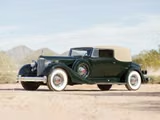
Семиместный лимузин Packard 1708 V-12, 1939 года
Packard Twelve
Packard Twelve•
•29 просмотров
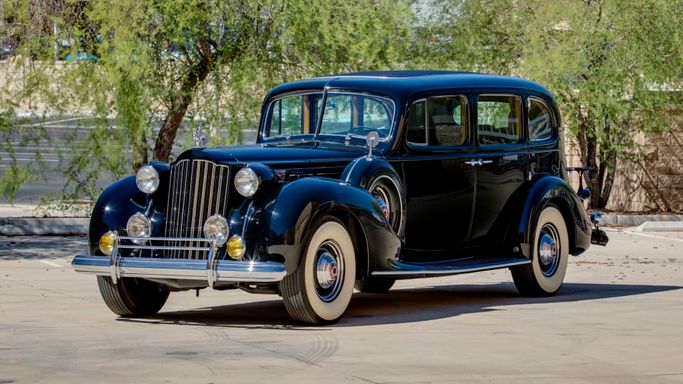
Номер шасси: 12352108
Аукцион: Лас-Вегас, 2018 год
Дата аукциона: 17 ноября 2018 года
Номер лота: S126.1
47 300 $ | Продан
- Цвет кузова: чёрный
- Салон: чёрный/бежевый
- Кузов: лимузин на 7 пассажиров
- Полноценный классический автомобиль CCCA
- Ранее входил в коллекцию Браунинга
- Старая реставрация
- Модифицированный двигатель V-12 объёмом 473 куб. дюйма мощностью 175 л. с.
- Карбюратор Stromberg
- 3-ступенчатая механическая коробка передач
- Независимая передняя подвеска
- Задняя подвеска на листовых рессорах
- Барабанные тормоза на всех колёсах с вакуумным усилителем
- Водительское отделение с отделкой чёрной кожей
- Пассажирское отделение с бежевой тканевой обивкой
- Отделка приборной панели и порогов дверей деревом
- Опускающееся разделительное окно
- Часы в пассажирском отделении
- Багажник
- Дополнительные фары Trippe
- Жёлтые противотуманные фары
- Два боковых запасных колеса в металлических чехлах с дополнительными зеркалами
- Фигурка лебедя на капоте
- Хромированные колпаки и декоративные кольца на колёсах
- Шины с широкими белыми боковинами
Основанная братьями Паккард в 1899 году, компания Packard Motor Car Company быстро заняла своё место на автомобильном рынке, выпуская хорошо сконструированные роскошные автомобили, отличавшиеся также высокими ходовыми качествами. Передовые инженерные разработки Packard получили признание в 1915 году, когда компания представила спроектированный Джесси Винсентом двигатель «Twin Six» — первый серийный автомобильный двигатель V-образной компоновки с 12 цилиндрами. Вскоре Packard перешла к другим схемам двигателей для своих дорогих роскошных автомобилей, но в 1932 году вновь вернулась к V-12. С наступлением Великой депрессии американские автопроизводители столкнулись с угрозой разорения.
Многие марки не выдержали, но Packard удалось выстоять, хотя спрос на её дорогие автомобили высшего класса снижался. 6 января 1932 года Packard представила две новые модели: более доступную, начальную модель «Light Eight» и полностью обновлённую «Twin Six» с двигателем V-12, занимавшую вершину модельного ряда. В 1930 году Packard переманила из Cord специалиста по проектированию силовых агрегатов Корнелиуса Ван Ранта, поручив ему разработать новый двигатель V-12 для инновационного переднеприводного автомобиля Packard.
Однако Великая депрессия не ослабевала, а в сегменте автомобилей высшего класса Packard конкурировала с Pierce-Arrow, Marmon и Cadillac с её двигателем V-16. В итоге компания решила установить компактный двигатель Ван Ранта объёмом 473 куб. дюйма, с углом развала цилиндров 67 градусов и конфигурацией V-12, традиционным способом — на свои самые роскошные автомобили. Таким образом Packard смогла подстраховаться, предложив как недорогую модель, так и дорогой, престижный автомобиль, служивший витриной возможностей марки. К 1933 году Packard отказалась от названия «Twin Six» и стала именовать автомобили с двигателем V-12 просто «Twelve». В течение 1930-х годов Packard Twelve выпускалась с шасси разной длины и в различных кузовах, включая купе, седаны, фаэтоны и лимузины.


Модель Twelve оставалась вершиной модельного ряда Packard до 1939 года, когда с началом Второй мировой войны её производство прекратилось. Представленный автомобиль — Packard Twelve (модель 1708) 17-й серии 1939 года, семиместный лимузин, один из последних представителей знаменитой линейки Packard Twelve. Автомобиль окрашен в солидный чёрный цвет и имеет бежевый тканевый салон. В его конструкции — усиленная Х-образными распорками рама, независимая передняя подвеска Safe-T-Flex, неразрезной задний мост на полуэллиптических листовых рессорах и барабанные тормоза на всех колёсах с вакуумным сервоприводом.
Автомобиль оснащён увеличенным двигателем V-12 объёмом 473 куб. дюйма с алюминиевыми головками цилиндров L-образной формы и нисходящим карбюратором Stromberg. Он развивает 175 л. с., передаваемых через синхронизированную 3-ступенчатую механическую коробку передач с рычагом переключения на рулевой колонке. В салоне предусмотрены отдельные водительское и пассажирское отделения с опускающимся разделительным окном; водительское отделение отделано чёрной кожей; установлена эффектная округлая деревянная приборная панель, а также деревянные вставки на порогах дверей и перегородке; в пассажирском отделении есть часы и откидные сиденья; предусмотрены шторки для уединения и опускающиеся окна. Этот автомобиль — один из всего 446 Packard Twelve, построенных в 1939 году, последнем году производства модели Twelve.
В 1977 году Роберт Кастиньетти продал автомобиль в знаменитую коллекцию Браунинга, а позднее он вошёл в коллекцию Academy of Art University. Несмотря на давность реставрации, Packard и сегодня выглядит великолепно. Внушительный автомобиль оснащён двумя боковыми запасными колёсами в металлических чехлах с установленными сверху дополнительными зеркалами, стальными дисковыми колёсами с хромированными колпаками, шинами с широкими белыми боковинами, жёлтыми противотуманными фарами, дополнительными фарами Trippe и багажником сзади. Завершает образ легендарная фигурка летящего баклана Packard на капоте. Этот лимузин Packard, признанный полноценным классическим автомобилем CCCA, представляет собой заключительный и, возможно, высший этап развития довоенной линейки роскошных автомобилей марки с 12-цилиндровыми двигателями.
https://www.mecum.com/lots/361294/1939-packard-1708-v-12-7-passenger-limousine/