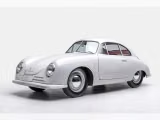
بورشه 356 كوبيه، 1953
Porsche 356 I
Porsche 356 I•
•17 مشاهدة
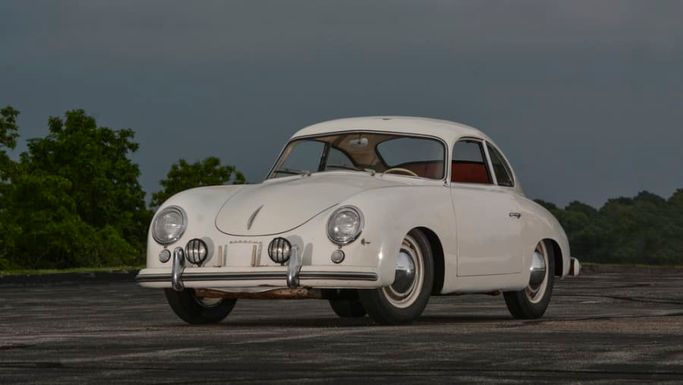
رقم الهيكل: 51465
المزاد: مونتيري 2015
تاريخ المزاد: 15 أغسطس 2015
رقم القطعة: S51
250,000 دولار | أعلى مزايدة
- اللون الخارجي: أبيض
- المقصورة: حمراء
- الهيكل: كوبيه
- سيارة اختبار تجريبية من حقبة ما قبل A لدى بورشه
- يُظهر سجل Kardex كلمة versuch، وتعني «اختبار» أو «تجريبي» بالألمانية
- صُنعت في 7 ديسمبر 1953. بيعت في 7 يونيو 1954
- احتفظت بها بورشه 7 أشهر كسيارة اختبار
- اشتراها جديدة من المصنع جندي في الجيش الأمريكي كان متمركزًا في ألمانيا، عن طريق صديق لعائلة بورشه
- استوردت إلى الولايات المتحدة عام 1962
- لم تُرمم في معظمها، مع إعادة طلاء واحدة عام 1973
- قطعت 53,509 أميال منذ شرائها جديدة
- 5 عجلات أصلية قياس 16 بوصة مؤرخة في مارس 1953
- 5 حلقات توربو أصلية لتبريد المكابح
- قاعدة ناقل حركة نموذجية أولية
- غطاء نحاسي فريد للموزع
- عدة أدوات أصلية ومقياس حرارة للزيت
- أرضية سفلية وألواح أرضية أصلية، وشعار 1500 نادر
- عجلة قيادة أصلية، وحواجب شمسية ملونة
- راديو المصنع بهوائي فريد ذو طرف أحمر
- مصابيح طريق أصلية وحوامل لوحات ترخيص
- مخارج عادم رباعية
- أُلغيت فتحات الهواء الأمامية
- ماسحتا زجاج متجاورتان جنبًا إلى جنب بتصميم 1954
- استُبدل المحرك الأصلي (رقم 32325) بمحرك مؤرخ بعام 1954 (رقم 32988)
- ناقل حركة أصلي من 4 سرعات، رقم 2619
- أُنفق مؤخرًا أكثر من 10,000 دولار على الأعمال الميكانيكية
- أُعيد بناء نظام المكابح
- أُعيد بناء الموزع ومضخة الوقود والمكربنات وخزان الوقود
قد يتفاجأ كثيرون عندما يعلمون أن مسيرة فرديناند أنطون بورشه المهنية كمصمم، وأحيانًا كمصنّع، كانت قد امتدت قرابة 50 عامًا حين اكتمل أول طراز بورشه 356 في غموند صيف عام 1948.
في الواقع، كان الرقم يدل على أن هذه السيارة الرياضية الجديدة هي مشروع بورشه رقم 356، الأحدث ضمن سجل واسع من الإنجازات التي شملت، على سبيل المثال لا الحصر، بعضًا من أقدم السيارات الكهربائية؛ ونظام الدفع الهجين بالبنزين والكهرباء Mixte الذي لا يزال مستخدمًا في أنظمة السكك الحديدية اليوم؛ ومحركات الطائرات المبكرة المبردة بالهواء؛ وسيارة دايملر فائقة الشحن الفائزة بسباق تارغا فلوريو عام 1924؛ ومرسيدس-بنز S وSS وSSK فائقة الشحن؛ وتصميمه الخاص الحاصل على براءة اختراع لنظام تعليق مستقل بالكامل؛ وسيارات أوتو يونيون المذهلة لسباقات الجائزة الكبرى؛ وفولكسفاغن وفولكستراكتور؛ ودبابة تايغر سيئة السمعة وغيرها من المعدات العسكرية المتنوعة، بما فيها نسخة برمائية من سيارة الجيب الألمانية؛ ومولدات تعمل بطاقة الرياح؛ وسيارة سيسيتاليا لسباقات الجائزة الكبرى، أول مشروع كبير له بعد قرابة عامين من السجن في فترة ما بعد الحرب.
وفي الواقع، كان ذلك خلال مشروع سيسيتاليا حين أطلق فرديناند، ابن بورشه، مشروع بورشه 356 في غياب والده القسري. (ومن الجدير بالذكر هنا أنه عندما وُلد فيري، كان والده يشارك في سباق تسلق مرتفعات زيمرينغ، ولم يعلم بقدوم ابنه إلا بعد عودته إلى المنزل تلك الليلة؛ وقد مازح بورشه الابن بعد سنوات قائلًا إن الظروف المحيطة بولادته كانت «نبوئية إلى حد بعيد».) وهكذا اختُزلت مسيرة فرديناند بورشه الواسعة الممتدة 50 عامًا في ابتكار مفهوم واحد وتطويره، وهو مفهوم واصل، على نحو مذهل، تطوره الحثيث 67 عامًا أخرى.
في عالم التسويق المكثف ودورات طرح المنتجات السريعة، يكاد يكون من الهرطقة تصور سيارة تشكلت عبر تاريخ يمتد عقودًا من التطوير المتواصل والمدروس، لكن هذا بالضبط ما يصف بورشه 356 وخليفتها 911. بدأ المشروع 356 في 11 يونيو 1947، وظل قيد التطوير المستمر حتى خرجت آخر السيارات من خط التجميع في تسوفنهاوزن عام 1965. وخلال تلك الفترة، مر بأربعة أجيال عامة: الطراز الأصلي «ما قبل A»، ثم 356A و356B وأخيرًا 356C.


مع أن التغييرات الخارجية ظلت محدودة طوال عمر 356، فقد شهدت السيارة تطورًا كبيرًا بوصفها آلة ميكانيكية مخصصة للرياضة، ومهّدت الطريق لعقود المجد التي تلت. وتتضمن وثائق هذه البورشه 356 المذهلة لعام 1953 سجل المصنع Kardex، الذي يصف السيارة بأنها «versuch»، وهي كلمة ألمانية تعني حرفيًا «محاولة»، وتُستخدم هنا بمعنى «اختبار» أو «تجريبي». أكملت بورشه السيارة في 7 ديسمبر 1953 واحتفظت بها ستة أشهر بالضبط، ويُعتقد أنها استُخدمت خلالها منصة اختبار متحركة لأعمال التطوير. وقد اشتراها من مصنع بورشه جندي أمريكي متمركز في ألمانيا.
كان قد صادق أحد أفراد عائلة بورشه، وتمكن من شراء السيارة عندما لم تعد سيارة «الاختبار» مطلوبة. تزوج في ألمانيا وبقي هناك حتى عام 1961. ثم انتقل بعائلته إلى كاليفورنيا واستورد السيارة إلى منزله عام 1962. وظلت هناك حتى وفاته، حين أوصى بها لابن أخيه في أريزونا، الذي احتفظ بها في مستودع جاف طوال الأربعين عامًا التالية. ورغم استبدال المحرك الأصلي بوحدة سعة 1.5 لتر مؤرخة بعام 1954، فإن السيارة لم تُرمم في معظمها، ولم يُعَد طلاؤها سوى مرة واحدة عام 1973.
قائمة التجهيزات الأصلية طويلة، وتشمل أرضية الهيكل السفلية وناقل الحركة والعجلات قياس 16 بوصة المؤرخة بعام 1954 وحلقات تبريد المكابح، وعدة الأدوات ومقياس حرارة الزيت، ومصابيح الطريق وحوامل لوحات الترخيص، وماسحتي الزجاج المتجاورتين بتصميم 1954، وشعار «1500»، والمقصورة بما فيها عجلة القيادة والتنجيد وبطانة السقف والراديو (به هوائي فريد ذو طرف أحمر)، إضافة إلى قاعدة ناقل حركة نموذجية أولية فريدة من نوعها. كما تتضمن السيارة شهادة الأصالة من بورشه. وقد استُثمر أكثر من 10,000 دولار في إعادة تأهيل الأجزاء الميكانيكية، بما في ذلك نظام المكابح والموزع وخزان الوقود ومضخة الوقود والمكربنات، لضمان عمل هذه السيارة المبكرة ذات الأهمية الاستثنائية على النحو الصحيح.