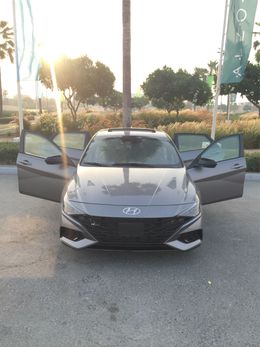
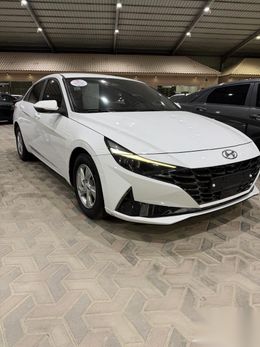
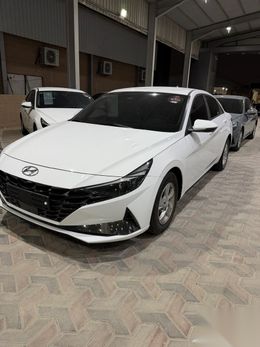
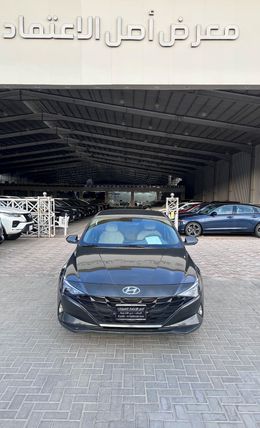
يوضح الرسم البياني ديناميكيات متوسط سعر الطراز في سوق السيارات المستعملة خلال العام الماضي. تساعدك هذه البيانات على تقييم جدوى الشراء وتوقع القيمة المستقبلية للسيارة.
قد تختلف الأسعار على AUTO.AE عن تكلفة البيع الفعلية. تستند البيانات إلى قاعدة بياناتنا من السيارات المباعة والإعلانات الحالية. للحصول على تقييم دقيق، استخدم أداتنا.
Does a Hyundai Elantra need transfer case oil changes?
A production Hyundai Elantra has front-wheel drive and no separate transfer case. It therefore needs neither a transfer case oil change interval nor a fluid selected for that component. If this operation appears on an estimate, first establish which unit the workshop actually intends to service. The official Hyundai UAE brochure identifies the Elantra as front-wheel drive. However, transmission types vary with the model year and version. Having no transfer case does not remove the need to maintain the transmission itself: check its requirements against the VIN, unit code and vehicle manual. Briefly. A front-wheel-drive Elantra has no separate transfer case. Clarify any estimate for servicing one, and check the real transmission’s maintenance requirements against its own schedule. What the Elantra drivetrain contains A transfer unit routes drive between different parts of a suitable four-wheel-drive system. A standard front-wheel-drive Elantra does not use that layout. Drive reaches its front wheels through the transmission, final drive, differential and wheel driveshafts. Transmission. Its type and exact specification determine the correct transmission fluid and servicing procedure. Front differential. This allows the driven wheels to turn at different speeds in a corner. Its presence does not mean the car has a transfer case. Wheel driveshafts. Joints and protective boots need inspection, but this is not a reason to add a transfer oil change to the job order. Why component names matter “Final drive”, “differential”, “transmission” and “transfer case” are not interchangeable estimate items. Ask the technician to show you the component and name the operation using the service documentation. The explanation should match the construction of your particular vehicle. If a workshop recommends transfer case oil The entry may be a template error or an inaccurate description of another operation. Do not judge the entire job by one word, but request a correction before paying. The estimate should clearly identify the procedure and fluid you are being charged for. Identify the unit. Ask whether the work concerns the transmission, rather than a separate component that the car does not have. Check the reason. Request the applicable schedule or diagnostic finding, rather than a generic service package for every model. Agree on the material. The fluid name and specification must suit the transmission actually fitted. Obtain a revised estimate. Accurate wording matters both for the price and for the vehicle’s future maintenance record. Important. Humming, jerking or a leak requires diagnosis. These symptoms do not establish the presence of a transfer case or justify changing oil in a component the car does not have. Which fluid actually needs checking? The Elantra CN7 2025 owner’s manual lists SP4M-1 for the conventional automatic transmission and Hyundai genuine SP-CVT1 for the IVT. These are examples for different transmissions, not alternative transfer case oils. Confirm applicability to the particular Elantra before using either. Source: Elantra CN7 2025, Recommended lubricants and capacities. Do not extend these requirements to other years, Hybrid or N versions without verification. Why there is no universal mileage interval An absent transfer case cannot require an oil change at 40,000 km, 60,000 km or any other mileage. The actual transmission schedule depends on the fitted version and the conditions defined in its maintenance instructions. Fluid inspection and replacement may also be separate operations. Tell the workshop about frequent short trips, traffic, prolonged low-speed driving and other routine demands. Use that information and the manufacturer’s criteria to establish whether a severe-use schedule applies. Hot weather alone does not make an arbitrary thicker fluid suitable. With an unknown service history, begin by reviewing records and checking the transmission’s condition. An “oil changed” entry without the component name does not establish what was done. Ask for the reason to service it now and the next due point under the applicable schedule. What a transmission service order should include A clear job order connects the fitted transmission, required fluid and selected procedure. A total capacity in a specification table should not automatically be treated as the amount needed for a routine drain and refill. The transmission code or exact version, fluid name, specification and service quantity. The level-checking procedure and required conditions, including temperature if specified by the instructions. The consumables and operations, a leak check, recorded mileage and the next service due point. Checking the estimate and completed work Owner checklist ☐ Record the VIN, model year and Elantra version. ☐ Identify the fitted transmission type and code. ☐ Remove servicing of an absent transfer case from the estimate. ☐ Ask for an explanation of inaccurate component names. ☐ Find the schedule for the actual vehicle specification. ☐ Agree on the fluid specification and service procedure. ☐ Report leaks, noises or jerking to the technician. ☐ Obtain a corrected, detailed service invoice. ☐ Keep the documents, mileage and next service due point. Common mistakes Paying for a generic package that includes transfer case servicing. Treating the front differential as a separate transfer case. Buying ATF or CVT fluid based only on the Elantra name. Trying to cure every noise by changing transmission fluid. Conclusion The Hyundai Elantra does not need transfer case oil changes: the front-wheel-drive model has no such component. Useful maintenance starts with identifying the transmission, finding its schedule and obtaining an accurate estimate. If symptoms appear, establish their cause first. When comparing current offers for the Hyundai Elantra, examine service documents alongside mileage and specification. Precise transmission maintenance entries are more useful than a general claim that “all oils were changed”.
When to Change Transmission Fluid in a Hyundai Elantra
The Hyundai Elantra transmission-fluid interval depends on the installed gearbox and driving conditions. The model has been offered with conventional automatics, an Intelligent Variable Transmission (IVT) and other gearbox types. Start by checking the VIN, transmission code and applicable service schedule. This guide explains how to establish the replacement interval, choose the fluid and check the completed work. For owners in the Gulf, everyday traffic, dusty routes and commercial use are particularly relevant when selecting the maintenance schedule. Important: conventional automatic transmission fluid, IVT fluid and DCT oil are not interchangeable categories. A “for Hyundai” label alone does not establish compatibility with your transmission. Identify the transmission first The Elantra brochure for Qatar describes a six-speed automatic. On a used car, confirm the installed unit: the registration year alone cannot identify its transmission. Hyundai’s regional page for the new Elantra lists IVT with the 1.5-litre and 2.0-litre engines. This is a continuously variable transmission with its own fluid requirements; simulated shifts do not make it a conventional automatic. Hybrid and N versions require a separate documentation check. Do not carry over advice for the standard petrol Elantra. If the transmission has been replaced, compare the VIN information with the identification on the installed unit. Establishing the replacement interval In the 2025 Elantra CN7 severe-use schedule, the section covering the Middle East specifies changes every 90,000 km for automatic and IVT fluid, and every 120,000 km for DCT and manual fluid under the conditions listed for those items. These figures apply to versions covered by that manual. They are not a universal interval for every Elantra. Before booking, match the model year, destination market and transmission to your vehicle’s documents, including its local service booklet. When the severe-use schedule applies Check the conditions attached to the particular maintenance item, such as heavy traffic, frequent stop-and-go driving, dusty roads or taxi use. Describe your regular journeys to the workshop. The absence of a replacement in a normal schedule does not cancel severe-use requirements. If the service history is unknown Request invoices showing mileage, fluid details and the work performed. Without those records, agree an inspection and service plan after identifying the transmission. Jerks, leaks or warnings need diagnosis first, even if the scheduled mileage has not yet been reached. Choosing the correct fluid The 2025 Elantra CN7 lubricant table specifies Hyundai Genuine SP-CVT1 for IVT and ATF SP4M-1 products for the conventional automatic. These are examples for units covered by that manual; suitability for another Elantra must be established separately. Record the full required designation on the job sheet. DCT and manual transmissions also have their own specifications. Colour, viscosity alone or a similar product name cannot replace a compatibility check. Filters and seals Select the transmission filter, gaskets and sealing washers by transmission code. Establish which items are accessible and require replacement under the agreed procedure. A service kit and dismantling method for one gearbox cannot automatically be used on another. 5 reasons to visit a workshop sooner A new delay when selecting D or R. Note whether it happens when cold or after a journey. Do not apply throttle to make engagement happen sooner. New jerks develop. Describe the speed, load and timing. The assessment should account for the transmission design and your vehicle’s usual behaviour. Judder appears during acceleration. Other components, including the engine, mounts and drive shafts, can cause it. A fluid change without diagnosis cannot guarantee a cure. Revs rise without the usual acceleration. Report a change that was not present before. Higher revs during acceleration alone do not establish an IVT fault. A leak or warning appears. Record the exact message. With a substantial leak, loss of drive or an instruction to stop, end the journey safely and arrange an inspection. Does darker fluid alone require replacement In its automatic transmission guidance, Hyundai explains that ATF darkens in use and a colour change alone does not require replacement. Assess appearance alongside the schedule, maintenance history and diagnostic findings. Checking the quality of the service Before work starts, agree the fluid, consumables, replacement method and price. Ask the workshop to retain diagnostic findings if you reported symptoms. Being used or having high mileage does not, by itself, justify a flush or machine exchange. Filling quantity and level Total transmission capacity differs from the amount required after an ordinary drain. The quantity in the estimate should match the agreed procedure. Do not treat the published total capacity as an instruction for how much to add during a partial change. Set the level using the procedure for the installed unit, including the required temperature and operating conditions. Replacing only the amount drained will not correct an initially incorrect level. Check for leaks and assess transmission operation after servicing. What the job sheet should include ☐ VIN and installed transmission type. ☐ Mileage, date and any initial symptoms. ☐ Fluid name, specification and quantity used. ☐ Part numbers for replaced consumables and the work completed. ☐ Confirmation that the level was checked and there are no leaks. ☐ Results of the post-service transmission check. ☐ The next service point under the applicable schedule. Common mistakes • Assuming every two-pedal Elantra has the same automatic transmission. • Applying a CN7 interval to every generation and version. • Choosing fluid by vehicle brand or colour alone. • Confusing total capacity with the quantity for an ordinary change. • Expecting fresh fluid to repair every transmission fault. Conclusion Correct Hyundai Elantra maintenance starts with identifying the transmission. Check its schedule, select fluid to the exact specification and ensure the workshop sets the level using the factory procedure. New symptoms need investigation regardless of the planned service mileage. When reviewing current offers, confirm the transmission type and request its service records. This helps you assess future costs before buying.
When to change the coolant in a Hyundai Elantra
Check the coolant replacement interval for your specific Hyundai Elantra. Hyundai UAE gives a general guideline of two years or 40,000 km, but this does not replace the schedule for your model year and engine. Before booking the work, confirm the requirements using the VIN and check when the coolant was last changed. Briefly. Confirm the interval and the correct coolant for your Elantra. Follow the maintenance schedule when the level is stable and the system is working properly. Repeated top-ups, contamination or overheating require investigation regardless of the distance covered since the last change. How to confirm the replacement interval The Hyundai UAE maintenance advice specifies a coolant change every two years or 40,000 km. This is a general advice page for the brand; it does not distinguish between Elantra generations. Use it as a starting point when speaking to the workshop, then confirm the applicable interval in your vehicle documentation. Identify your version Give the workshop the VIN, model year and engine details. Ask it to identify the relevant schedule entry and check whether the first change of the factory coolant differs from later replacements. Where the schedule gives both time and distance limits, use whichever comes first. Do not automatically apply the requirements for a standard petrol Elantra to an Elantra Hybrid or Elantra N. Confirm the circuit being serviced, the fluid and the procedure for those versions separately. The work order should identify the individual vehicle, even when the model name is the same. When previous replacement records are missing An invoice with the date, mileage and coolant name is more useful than a note saying that the fluids were checked. A top-up or a partial drain during a repair does not establish that a full replacement took place. If the history is unclear, ask the workshop to assess the system and agree on a maintenance plan. When considering a used Elantra, review current offers alongside the available service records. Before buying, ask about overheating, radiator repairs and repeated visits for coolant loss. Fresh fluid alone does not establish that an earlier fault has been resolved. Why coolant still needs attention in a hot climate Coolant works throughout the year. Hyundai UAE explains that corrosion inhibitors are gradually depleted, which is why the fluid needs periodic replacement. A frost-free climate does not remove that requirement, and low annual mileage does not cancel a time limit. Hot weather and journeys with the air conditioning running are reasons to pay attention to the cooling system. They do not provide a basis for inventing a shorter replacement interval. Ask the workshop which requirements apply to your driving conditions and distinguish a system inspection from a coolant change. When to seek help before the scheduled change Do not leave a falling coolant level or rising engine temperature until the next routine service. The first task is to establish what has happened. The coolant may not be due for replacement, while the system already needs a repair. Checking the level Check the reservoir on level ground with the engine cool, using the marks and procedure in the owner's manual. Compare readings under the same conditions. Do not fill above the specified level or open a hot cooling system to assess the fluid. Look for visible traces of leakage in accessible areas. Keep hands and clothing away from the fan and other moving parts. If the level falls again, tell the technician how much coolant you have added and how often. Important. Never open the cap of a hot radiator or expansion tank. Pressurised coolant and steam can cause burns. If the engine overheats, stop safely and follow the vehicle instructions. Do not resume driving until the cause has been resolved. Choosing the correct coolant Select a product that meets Hyundai's requirements for your version. Ask the workshop to specify its full name and explain how compatibility has been confirmed. A broad claim such as “for Asian vehicles” is not enough on its own. Colour and chemistry GLYSANTIN explains that colour does not identify a coolant's chemical or technical properties. Two fluids with the same colour are therefore not necessarily suitable for mixing. If the existing product is unknown, agree on how the system will be changed over to the correct coolant. Do not choose a replacement simply because it was used in another Elantra. Keep a record of the product installed so it can be identified at the next service. Premixed coolant and concentrate Premixed coolant and concentrate require different handling. Follow the product instructions and the vehicle requirements for the mixing ratio and water quality. In its coolant filling guidance, HELLA advises following the manufacturer's instructions; adding an arbitrary extra amount of antifreeze does not improve cooling. Confirm the required quantity for the engine and the service procedure. The number of containers purchased does not establish that the system has been filled correctly. Ask for the quantity actually used to be recorded on the invoice. What the service should include Before authorising the work, ask for the estimate to distinguish the planned replacement from additional operations. An inspection, a leak repair and cleaning a contaminated system address different needs. Changing the coolant does not automatically require a new radiator or thermostat when those parts are functioning correctly. Filling and removing trapped air HELLA notes that trapped air reduces coolant circulation and can cause overheating. After replacement, the system must be filled and bled using the vehicle procedure, then checked for correct operation and leaks. Ask when to check the level again after the engine has cooled completely. If it continues to fall after the service, return for diagnosis. Repeated top-ups do not resolve an ongoing problem. When the engine temperature rises HELLA's diagnostic guidance includes checking the fan, airflow through the radiator, thermostat, pump and temperature readings. Tell the technician whether the problem occurred in traffic, while stationary or while driving. That information helps select the checks, but it does not identify a failed component without inspection. Checklist after replacement ☐ The work order identifies the correct vehicle and engine. ☐ The service date and mileage are recorded. ☐ The coolant name and quantity used are listed. ☐ Air removal and final system checks have been completed. ☐ You know when to check the cold coolant level again. ☐ The next replacement follows the applicable maintenance schedule. Conclusion For a Hyundai Elantra, start by confirming the schedule using the VIN and reviewing its service history. The correct coolant and filling procedure matter as much as timely replacement. If the level drops or the engine overheats, arrange diagnosis without waiting for the next scheduled change.
أسئلة وأجوبة حول Hyundai Elantra (FAQs)
قد تشمل إعلانات Hyundai Elantra موديل 2021 الفئات التالية: Active، SE، Comfort، وLuxe، وغيرها. تعتمد القائمة الحالية على الدولة المختارة وسنة الصنع وتوفر السيارات. استخدم فلتر «الفئة» لمقارنة الخيارات المتاحة.
ينبغي تقييم المسافة المقطوعة إلى جانب عمر السيارة وحالتها وسجل صيانتها. قارن المسافة المقطوعة بسيارات مماثلة من سنة الصنع نفسها، وتحقق من سجل الصيانة والحالة الفعلية للسيارة قبل الشراء.
تتراوح أسعار الإعلانات الحالية لسيارة Hyundai Elantra موديل 2021 على AUTO.AE من ٢٩٬٥٠٠ إلى ٥٥٬٠٠٠ AED. يعتمد السعر على سنة الصنع والمسافة المقطوعة والفئة والحالة والمواصفات الإقليمية. تستند هذه البيانات إلى الإعلانات النشطة وقد تتغير.
قد يعرض البائع الخاص سعراً أقل، بينما قد يقدم معرض السيارات خدمات إضافية مثل التمويل أو الضمان أو المساعدة في التأمين. تختلف الشروط، لذا تحقّق من معلومات الإعلان ووثائق السيارة وبيانات البائع.
تحقّق من بطاقة تسجيل المركبة «الملكية» (Mulkiya)، ومن تطابق رقم الهيكل (VIN) على السيارة وفي الوثائق، وبيانات المالك، وسجل الصيانة، وسجل الحوادث. وتأكد أيضاً من عدم وجود قرض قائم أو مخالفات أو قيود أخرى على السيارة. ويُفضّل إجراء فحص مستقل قبل إتمام الصفقة.
نعم. يمكنك الاتفاق مع البائع على إجراء فحص فني مستقل في مركز خدمة من اختيارك. يساعد الفحص على تقييم حالة المحرك وناقل الحركة والهيكل والأنظمة الإلكترونية والمكوّنات الأخرى.
يعني مصطلح GCC Specs أن السيارة صُنعت وفق المواصفات المعتمدة لأسواق دول مجلس التعاون الخليجي. وعادةً ما تكون هذه الإصدارات مصممة لتناسب الظروف المناخية المحلية. لكن GCC Specs بحد ذاتها لا تثبت حالة السيارة ولا تعني وجود ضمان ساري؛ لذا يجب التحقق من حالة السيارة والضمان بشكل منفصل.
تقدم بعض معارض السيارات خيارات تمويل. وعند توفرها، قد تُذكر الشروط أو قيمة القسط الشهري التقديرية في الإعلان. تعتمد نسبة الفائدة النهائية والموافقة على البنك والدفعة الأولى وبيانات المشتري.