




















نوع الجسم
الأسعار
أفضل مكان للشراء

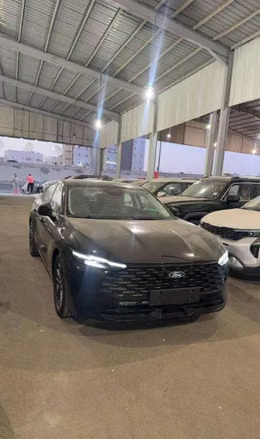
Ford Taurus سيدان
19,500 - 163,000 AED
أفضل مكان للشراء
180 إعلانًا
كن أول من يعرف عن الإعلانات الجديدة
احفظ فلاتر بحثك لكي تجد الإعلانات التي تحتاجها بشكل أسرع.
يبدأ سعر Ford Taurus من 19,500 AED ويصل إلى 163,000 AED. قد تختلف التكلفة النهائية على الطريق قليلاً حسب التأمين والتسجيل والملحقات الاختيارية.
Ford Taurus سيدان
أفضل مكان للشراء
Ford Taurus أوتوماتيك
أفضل مكان للشراء
Ford Taurus بنزين
أفضل مكان للشراء
Ford Taurus هجين
أفضل مكان للشراء
Ford Taurus 2026
أفضل مكان للشراء
Ford Taurus 2025
أفضل مكان للشراء
Ford Taurus 2024
أفضل مكان للشراء
Ford Taurus 2023
أفضل مكان للشراء
Ford Taurus 2022
أفضل مكان للشراء
Ford Taurus 2021
أفضل مكان للشراء
Ford Taurus 2019
أفضل مكان للشراء
Ford Taurus 2018
أفضل مكان للشراء
Ford Taurus 2017
أفضل مكان للشراء
Ford Taurus 2015
أفضل مكان للشراء
Ford Taurus 2012
أفضل مكان للشراء
Ford Taurus الشارقة
أفضل مكان للشراء
Ford Taurus أبوظبي
أفضل مكان للشراء
Ford Taurus الرياض
أفضل مكان للشراء
Ford Taurus البريمي
أفضل مكان للشراء
Ford Taurus عجمان
أفضل مكان للشراء
Ford Taurus صحار
أفضل مكان للشراء
Ford Taurus الدمام
أفضل مكان للشراء
Ford Taurus جدة
أفضل مكان للشراء
Ford Taurus الفروانية
أفضل مكان للشراء
Ford Taurus خميس مشيط
أفضل مكان للشراء
Ford Taurus حفر الباطن
أفضل مكان للشراء
Ford Taurus مكة المكرمة
أفضل مكان للشراء
يوضح الرسم البياني ديناميكيات متوسط سعر الطراز في سوق السيارات المستعملة خلال العام الماضي. تساعدك هذه البيانات على تقييم جدوى الشراء وتوقع القيمة المستقبلية للسيارة.
قد تختلف الأسعار على AUTO.AE عن تكلفة البيع الفعلية. تستند البيانات إلى قاعدة بياناتنا من السيارات المباعة والإعلانات الحالية. للحصول على تقييم دقيق، استخدم أداتنا.

Ford Taurus spark plug intervals depend on the generation and engine; there is no single schedule for every car. Modern 2.0 EcoBoost and 1.5 hybrid versions need four plugs, while earlier V6 models need six. In the UAE, consider extended idling and congestion, and investigate hesitation or misfires before the next scheduled service. The Taurus name covers cars with different powertrains. An online maintenance chart may therefore describe another vehicle, even when the brand and engine capacity match. Before buying parts, establish the model year, engine and original specification using the VIN, the vehicle identification number. This article explains which intervals specific documents confirm, how to distinguish plug wear from other faults and what to check during servicing. It also covers the hybrid: electric propulsion does not remove the petrol engine or the need to maintain its ignition system. Which plugs does a Taurus use? A spark plug creates a discharge between its electrodes to ignite the mixture in the cylinder. The ignition coil supplies the necessary high voltage. The plug, boot and coil must all work correctly for consistent ignition, particularly when the engine is under load. Does it need glow plugs? The versions listed do not: their engines run on petrol. Glow plugs provide additional heat in diesel systems. The Taurus hybrid also uses spark ignition; the Hybrid designation does not mean that the car has a diesel engine or no longer needs spark plugs. What do official documents establish? The Taurus 2026 specification on me.ford.com, published through Ford’s UAE section, includes the 2.0 EcoBoost and 1.5 I4 hybrid. The brochure describes engines and equipment but does not establish spark plug replacement intervals. The normal interval appears in the Taurus 2018 maintenance schedule. It must not automatically be applied to the modern sedan. An exact interval for the newer 2.0 and 1.5 Hybrid could not be confirmed in the accessible materials checked. Before agreeing the work, request the applicable schedule from the workshop instead of an average figure for all Ford vehicles. When do operating conditions change the schedule? The special-use section of the Taurus 2018 manual specifies 96,000 km for vehicles primarily used with a trailer or roof carrier, or with extensive idling or prolonged low-speed driving typical of heavy commercial operation. These are defined conditions in a particular edition of the document. An occasional loaded journey does not automatically mean that this schedule applies. Describe the car’s usual use over several months: daily route, waiting time, number of starts and commercial operation. Another generation needs its own special-use requirements rather than these figures transferred by analogy. Why low mileage does not tell the whole story When waiting with the air conditioning operating, distance barely increases but the engine keeps running. A car making short urban journeys and one covering long routes can show the same odometer reading while having different operating histories. NGK’s discussion of ignition problems relates deposits to operating conditions and combustion quality. Hot weather does not guarantee plug self-cleaning, and dust on the bodywork does not prove that the set needs immediate replacement. Do not tie plug servicing solely to the oil-change reminder. Different maintenance operations have separate requirements. After servicing, retain the mileage, date, part numbers and basis for the next replacement date or distance; these are more useful than a general “service completed” entry. Five signs that diagnosis is needed Similar symptoms can come from plugs, coils, injectors, unwanted intake air or the engine’s mechanical condition. The owner’s task is to describe the behaviour clearly; the workshop’s task is to establish the cause before ordering parts. Extended cranking or uneven running immediately after starting. Note whether it happens after an overnight stop or with the engine already warm. Vibration at idle. Compare the sensation with the air conditioning on and off: changing load and worn engine mounts can also be felt in the cabin. Hesitation during acceleration or uphill. Establish whether it appears at similar engine speeds, loads or transmission shifts. Check Engine or an engine-malfunction message. Retain the codes and circumstances; do not erase them before the initial assessment. Higher fuel consumption on a familiar route. Account for traffic, waiting time and driving style: consumption alone cannot identify faulty plugs. Why it may idle normally DENSO’s explanation of plug wear describes how electrode erosion increases the gap and required voltage. The system may retain enough operating margin in a parking space but struggle under load. A brief start before servicing therefore cannot replace investigation under conditions relevant to the complaint. What happens if you keep driving with misfires? During a misfire, some fuel may leave the cylinder unburned and overheat the catalytic converter. The Taurus manual links a flashing engine-malfunction indicator with misfiring and possible exhaust-system damage. It advises avoiding hard acceleration and obtaining immediate service. If the car shakes severely, loses substantial power or smells of unburned fuel, stop safely and arrange diagnosis. Attempting to “clear the engine” by accelerating adds load without establishing the cause. Record overheating or oil-pressure warnings separately: these signals must not be attributed to a faulty plug without investigation. How to find the cause of a misfire Start by reading fault codes and saving the freeze frame, the engine parameters recorded when the fault was detected. Where available, retain temperature, engine speed and load. Clearing the memory without documenting the findings makes an intermittent problem harder to investigate. In HELLA’s diagnostic-code reference, P0300 concerns random or multiple misfires, while P0301–P0306 concern the corresponding cylinders. A four-cylinder Taurus has cylinders 1–4; a V6 has cylinders 1–6. The code identifies an area to investigate rather than authorising a plug or coil purchase. A useful diagnostic sequence Confirm the complaint and correct cylinder numbering; identify the relevant bank on a V6. Inspect connectors, wiring, boots and coils, and check the required electrical parameters. Remove the plugs while preserving their cylinder positions and compare their condition. Verify the fitted set’s application, inspect for damage and check the specified gap. If ignition checks are satisfactory, investigate mixture, injection and compression using the engine’s procedure. After repair, repeat a suitable test and check whether codes or symptoms return. HELLA’s technical guidance on coils covers supply, control and visual inspection. Resistance figures and pin assignments from another vehicle’s example are not Taurus specifications. The necessary scope of testing depends on what the preceding step reveals. Ask for an explanation of the conclusion: “a cracked insulator was found” or “the coil fault was confirmed” is more useful than “we will fit a set and see.” If the cause remains unproven, agree the next diagnostic stage separately from parts purchasing. What can removed plugs reveal? DENSO’s troubleshooting reference helps relate appearance to possible causes. Assess parts alongside codes and measurements. A photograph alone cannot replace engine checks, particularly if the plugs have already been mixed up or cleaned. Oil outside the plug and oil on its firing end call for different checks. A contaminated well may point to a seal, while deposits at the combustion end suggest another problem. If one plug differs markedly, retain its cylinder number and a photograph. How to choose the right set Select parts using the VIN and current catalogue. A 2.0-litre capacity or EcoBoost label is insufficient: engines and requirements change between generations. Check thread, reach, seating type, heat range and electrode design. These parameters are covered in DENSO’s fitment guidance. The Taurus 2018 technical data provide a useful example: the specified gap is 1.25–1.35 mm for the 3.5 Duratec and 0.75–0.85 mm for the 3.5 EcoBoost. These figures concern the named engines in that edition; they are not recommendations for the modern Taurus 2.0 or hybrid. Check a number taken from an old box too: the previous set may have been incorrect, or the manufacturer may have superseded the catalogue number. Agree verified fitment, quantity and parts provenance before work begins. A more expensive electrode material does not, by itself, make a plug suitable. Installation, costs and common mistakes Servicing requires an appropriate engine temperature, clean wells, suitable tools and the specified tightening torque. Start each plug without cross-threading; dirt or excessive force can turn routine replacement into cylinder-head repair. One universal torque “for all Ford engines” is unsuitable. DENSO’s spark-plug FAQs explain restrictions on adjusting fine-electrode gaps and lubricating threads. Follow the instructions for the selected part and engine: lubricant changes tightening conditions, and careless adjustment can damage an electrode. V6 and hybrid considerations For a V6, confirm that the quotation includes six plugs and access to both cylinder banks. If intake components need removal, agree any seals required by the procedure beforehand. Replacing only the accessible bank does not constitute servicing the complete set. On a hybrid, silence under the bonnet does not mean that the vehicle is fully switched off. The workshop must prevent automatic engine starting and follow the hybrid-system procedure. An owner does not need to interfere with high-voltage components to investigate spark plugs. Mistakes that lead to repeat work Buying by model name, replacing every coil without testing, ignoring oil in the wells and clearing codes before diagnosis all obstruct identification of the cause. Another mistake is treating a few minutes without vibration as final confirmation that the repair has succeeded. The AED cost depends on the engine, parts and access. Request separate items for diagnosis, the set and labour. Broken-plug extraction or wiring repairs should appear in the quotation only when the findings justify them. Comparing totals is of limited value unless the scope is equivalent. Owner’s checklist ☐ The engine, part numbers and plug quantity are listed. ☐ Original codes and diagnostic findings are retained. ☐ Additional coils are justified by testing. ☐ Access, seals and the final quotation are agreed. ☐ Verification has been completed after assembly. ☐ Date, mileage and the next service requirement are recorded. When choosing a car, compare its repair history with current offers for the Ford Taurus. A detailed job record with part numbers and mileage gives a clearer picture than a seller’s general statement that the plugs were changed recently. Frequently asked questions Can every Taurus use a 160,000 km interval? No. That is a verified reference from a specific Taurus 2018 schedule. The modern 2.0 EcoBoost or hybrid needs its own document. A shared vehicle name does not establish that an older interval applies. Does hot weather require replacement every 30,000 km? No such universal interval is confirmed here. Consider actual use and the applicable schedule. If the workshop recommends an earlier change, ask for its basis and distinguish scheduled servicing from repair of an existing fault. Does the hybrid have glow plugs? The Taurus Hybrid discussed here does not. Its petrol engine uses four spark plugs. The electrical system does not eliminate engine maintenance, even when some driving takes place with the engine stopped. Should I replace a set or one plug? Scheduled servicing replaces the specified set. With isolated damage, the decision depends on the remaining plugs and the identified cause. Establish why one plug was damaged before limiting the repair to that component. Must the coils be replaced at the same time? Not automatically. Coil condition is assessed separately. If replacement of every coil is proposed, ask for test results and an explanation. The number of plugs ordered should not automatically determine the number of new coils. Can cleaning restore a worn plug? Cleaning cannot replace lost electrode metal or repair a cracked insulator. Recurrent deposits require investigation of their cause. Aggressive treatment of a fine electrode can add damage rather than restore performance. Why does hesitation remain after replacement? The cause may involve a coil, mixture, injection, compression or the transmission. Part selection and assembly should also be checked. Original codes and the old plugs’ cylinder positions help the investigation continue. What if the service history is unknown? Identify the engine and applicable schedule, then arrange baseline checks. Agree and record the work required. Missing history does not prove that every component is defective, but it calls for a clear starting point for future maintenance. Conclusion Taurus plug servicing depends on the generation, engine and verified schedule. Investigate the complete ignition system and the cause of contamination when rough running occurs. Suitable parts, correct installation and recorded findings help prevent repeat replacement and unnecessary expenditure.

Replace a Ford Taurus fuel filter according to the schedule for the specific version or when a fault has been established. There is no single interval covering every generation. For example, the 2019 Taurus manual describes an in-tank filter that needs no routine replacement. That instruction applies to vehicles covered by that manual; it cannot automatically be extended to the current Taurus. The current range shown on me.ford.com includes a 2.0 EcoBoost and a 1.5-litre hybrid. Model year, engine and fuel-system specification therefore matter when planning maintenance. This article explains which symptoms deserve investigation, why low pressure does not prove a blocked filter, and what to establish before ordering a part. Signs of a Clogged Fuel Filter on a Ford Taurus A filter traps contamination, but restricted flow can leave the engine short of fuel. Pump faults, electrical connections and control components can produce similar symptoms. Describe the vehicle’s behaviour to the workshop: when it changed, at which engine speeds and after which events. Arriving with a definite “needs a filter” diagnosis can narrow the investigation prematurely. ● The engine takes longer to start. Compare the first start after an overnight stop with restarting a warm engine. Note whether the starter turns normally. If cranking is slow or the starter does not operate, the starting system and battery need attention before fuel-system parts are ordered. ● Acceleration develops a hesitation. The Taurus may idle smoothly yet struggle when joining a faster road. Record the engine speed at which the hesitation appears and whether easing off the accelerator changes it. That helps select useful test conditions; an idle pressure reading alone may not explain the complaint. ● The engine surges or runs unevenly. Distinguish an engine hesitation from a jolt during a gear change. The regional filter-service page on me.ford.com lists jerking at high engine speeds as a possible reason to investigate the fuel filter. Ignition and other plausible causes must still be considered during diagnosis. ● The engine stalls or power drops sharply. Arrange prompt investigation even if the next service is some distance away. Stop driving and arrange assistance if the vehicle behaves unsafely. Repeated hard acceleration in traffic is not an appropriate way to confirm the symptom; testing requires controlled conditions. ● Poor running begins shortly after refuelling. The timing is relevant, but it does not automatically establish contaminated petrol or a blocked filter. Keep the receipt and record how much fuel was added and the previous tank level. Where justified, the workshop can inspect a sample and test delivery before prescribing parts. Why EcoBoost Diagnosis Must Consider Both Fuel-Delivery Stages Ford’s Taurus features page identifies direct injection on the current EcoBoost model. Supplying fuel from the tank and producing high pressure for the injectors perform different tasks in this type of system. The Bosch explanation of gasoline direct injection describes a supply circuit feeding a high-pressure pump, which then supplies the rail. This explains the operating principle; its example pressures are not Taurus test specifications. The practical implication is that an abnormal rail-pressure reading does not identify the failed component. The workshop needs to establish whether the high-pressure pump receives adequate fuel and whether control commands and sensor readings are correct. For an intermittent fault, data recorded during the event are useful. Normal operation after cooling down does not remove the need to find its cause. What Happens If You Do Not Replace the Ford Taurus Fuel Filter? A healthy filter without a scheduled replacement requirement is different from a confirmed delivery restriction. Mileage alone does not establish contamination. Once a fault has been identified, continued use leaves it unresolved even if the vehicle can still be driven. Acceleration may become less predictable. Insufficient delivery can be more apparent as load increases than during gentle driving. Bosch Aftermarket’s filter guidance lists power loss and engine stoppage among possible consequences of a clogged filter. Brief improvement after slowing down does not establish that the system is healthy. Pump load may increase. Restricted flow can be associated with excessive pump load, but a hum or change in noise does not conclusively identify the failed part. Delphi’s discussion of pump-current testing considers both restrictions and electrical causes of abnormal readings. Results must be compared with the specifications for the actual vehicle. The cause of repeated faults may remain. If contamination is in the tank, a replacement component returns to the same conditions. Assess the remaining fuel and any need for cleaning as part of the repair. Dismantling a tank without evidence of contamination should not become an automatic operation for every Taurus. The investigation may become more expensive. Replacing a filter, pump and sensor in succession without measurements increases cost without guaranteeing success. Ask the estimate to distinguish diagnosis from repair and identify the finding that justifies each expensive part. This is particularly useful when the complaint does not occur every day. Everyday journeys may become less reliable. Repeated starting difficulties and unexpected stops can leave the owner without transport at an inconvenient time. Retained codes, operating conditions and previous repair results help another technician continue the investigation. “Codes cleared and driving normally for now” is not, by itself, evidence of a completed diagnosis. Which Fuel Filter Does Ford Recommend for the Taurus? The replacement-parts guidance in Ford’s manual recommends genuine Ford and Motorcraft components. This is a starting point for selection, not a universal part number covering all Taurus versions. Identify the actual item: an inlet strainer, separate filter or pump module. Their functions and contents differ, so the wording on an order needs to be precise. Why One Replacement Interval Does Not Cover Every Taurus Generation The 2019 Taurus manual specifies an integrated filter without routine servicing for the configuration it covers. The earlier 2002 Taurus manual takes a different approach, directing owners to the scheduled maintenance guide for replacement intervals. These examples show why advice for another vehicle bearing the same name may not apply to yours. For current 2.0 EcoBoost and 1.5 Hybrid versions, use the service documentation for the actual vehicle. Assigning an assumed 30,000 or 60,000 km interval by analogy with another Ford is not justified. If a workshop proposes replacement at such a distance, ask for the applicable schedule entry or the test findings supporting an unscheduled repair. Heat, long periods in traffic and frequent short journeys matter when planning overall maintenance. A shortened engine-oil interval does not automatically become a fuel-filter replacement interval. Distinguish time-and-mileage maintenance from a symptom-led repair and from work required after fuel contamination. How to Choose a Fuel Filter for a Ford Taurus ● Identify the exact vehicle specification. Provide the VIN, model year, engine and original market. Take particular care to distinguish the current sedan, previous generations and the hybrid. Seeing the Taurus name in a product description does not confirm compatibility with its fuel system. ● Ask what the supplied part includes. A filter element, strainer and complete pump module are not equivalent. If a complete module is proposed, establish why separate servicing is unavailable or would not resolve the identified fault. Compare prices only after confirming equivalent contents and application. ● Check the reference and any approved supersession. Catalogue selection must account for production changes. A similar housing or matching connector does not guarantee the required delivery performance or fuel-level indication. Keep the fitted reference on the workshop invoice together with the reason for replacement. ● Confirm the required seals and fasteners. The repair procedure may call for separately supplied seals or retainers. Establish whether these are included before dismantling begins. An unsuitable seal can cause fuel smell or leakage even when the main replacement component has been selected correctly. ● Check traceability and supply terms. The manufacturer, identification and application should be clear. An aftermarket alternative needs verifiable catalogue compatibility rather than a promise that it fits every Ford. Agree how an ordering error will be handled before installation and keep the purchase documentation. A Clogged Fuel Filter and Ford Taurus Engine Problems Low pressure requires electrical checks as well as investigation of fuel components. Delphi’s voltage-drop guide explains how a poor connection or ground can imitate a weak pump. On direct-injection versions, compare requested and actual rail pressure too: the Bosch fuel-rail description explains how the pump and pressure sensor participate in controlling this parameter. In a hybrid Taurus, the electric motor and petrol engine can operate at different times. Ford’s model page describes this as part of normal hybrid operation. A petrol engine switching off while the vehicle remains ready to drive is therefore not automatic evidence of a filter fault. Warnings, abnormal interruptions or an inability to continue driving justify investigation. What to Check Before Replacing the Fuel Filter ● The sequence leading to the complaint. Record whether it began after refuelling, repairs, extended parking or engine warm-up. Note fuel level separately. A specific sequence helps the technician more than “sometimes drives badly”, which may be difficult to reproduce during a short inspection. ● Fault codes and the conditions recorded with them. Save codes and available operating data before clearing them. A pressure-related code describes a detected deviation rather than invariably identifying a failed part. Ask which associated readings supported the diagnosis and whether the deviation returned during testing. ● The battery, starting system and actual fuel quantity. Rule out basic causes when an engine will not start. DENSO’s fuel-pump information identifies insufficient fuel, inaccurate gauge readings, the filter and strainer among possible causes of apparently similar complaints. These checks are sensible before ordering an expensive module. ● Delivery from the tank under relevant load. Assess pressure and delivery volume using the procedure for that system. Delphi’s pressure-and-flow guidance explains the value of combined testing. A satisfactory pressure reading in one operating condition does not provide the full picture when the complaint concerns acceleration. ● High-pressure operation on direct-injection versions. Compare control requests and actual data during starting and when the symptom appears. Establish the condition of the supply circuit before investigating deviations further downstream. Generic pressures from another model are not valid Taurus pass-or-fail limits. ● Pump power, connectors and control. Testing under load helps reveal circuit resistance that may be missed at an unplugged connector. Repairing an electrical defect can restore delivery without a filter replacement. Applying power directly as an improvised test does not replace the specified diagnostic procedure. ● Fuel quality and tank condition. If contamination is found, agree how its source will be addressed. Delphi’s technical discussion of a contaminated pump explains the risk of another failure when dirt remains in the tank. Samples and inspection findings should justify additional operations on the estimate. ● The repair result under the original complaint conditions. Check sealing, starting and delivery readings. A single cold start is insufficient if the fault occurred when warm. Retain before-and-after results on the invoice: they help establish that the cause has been resolved and support future servicing. Common Taurus Fuel-Filter Servicing Mistakes ● Transferring an earlier generation’s schedule to the current model. First establish that the document covers the vehicle. The same model name and registration year do not guarantee the same construction. ● Treating long service life as immunity to contamination. No scheduled replacement does not remove the need to investigate delivery problems. Equally, high mileage alone does not establish a fault. ● Confusing the in-tank pump with the high-pressure pump. These are different components. Misidentifying the stage at which the problem occurs can result in an expensive replacement that achieves nothing. ● Diagnosing a filter from a code or sound alone. Measurements and alternative-cause checks are needed. Petrol-engine running problems may also involve ignition, intake and control systems. ● Mistaking normal hybrid operation for a breakdown. Consider operating mode, readiness indications and warnings. Electric driving alone does not indicate a petrol-delivery problem. ● Trying to cure restricted flow with an arbitrary additive. A fuel treatment does not replace checks for contamination, pressure or pump supply. Use products only under recommendations appropriate to the vehicle. ● Ending the repair after the first successful start. Connections and the original complaint still need checking. Follow the repair procedure for pressurised fuel; loosening connections to see whether petrol is present is unsafe. Conclusion For a Ford Taurus, identify the generation and fuel-system specification before applying a maintenance schedule. When starting or acceleration deteriorates, consider the filter alongside pumps, electrical supply and injection control. A justified replacement begins with an established cause and ends with verification under the conditions that produced the fault. When choosing a used Taurus, compare service records alongside the current offers on AUTO.AE. Ask the seller which fuel-system components were replaced and whether invoices retain their references and the diagnostic findings.

Inspect the Ford Taurus cabin filter when the usual blower setting delivers less air, a dusty smell appears or the windscreen takes longer to clear. These symptoms do not establish that one component is at fault. Compare the climate system under consistent conditions, then assess the filter and its seating. If the complaint remains after replacement, continue the investigation. Taurus models from different years should not automatically share one part number, service interval or access procedure. Start with the VIN, model year and original specification. This article covers filter selection, contamination symptoms and service checks; confirm the housing location and individual fixings in the documentation for your vehicle. When inspection and replacement are needed Establishing the schedule for your Taurus The filter-maintenance section on me.ford.com directs owners to their vehicle maintenance schedule for cabin-filter replacement. That general page does not set one mileage interval for every Taurus. Find the cabin air filter entry in your service booklet and establish whether your operating conditions call for additional checks. Distinguish inspection from replacement. A service stamp or engine-oil change does not prove that a new ventilation filter was fitted. The invoice should identify the operation, date, mileage and part number. Where the applicable schedule specifies both time and distance, follow its whichever-comes-first requirement. On a Taurus with the relevant SYNC 4 system, the digital handbook is available through Features and Owner’s Manual, as shown in the central-touchscreen guide. Search for cabin air filter and maintenance. If that menu or the required information is unavailable, ask the workshop for documentation matched to the VIN. A touchscreen overview does not replace the vehicle’s service schedule. How journeys affect filter condition Dusty access roads, construction areas and long periods with ventilation running increase the filter’s exposure to contamination. Equal mileage does not mean equal condition: one car covers a route quickly, while another spends hours in traffic with its climate system operating. Consider operating conditions alongside the inspection history. After a particularly dusty journey, notice whether airflow or smell has changed. Arrange an additional inspection if performance has clearly deteriorated. One dusty trip does not automatically require discarding a serviceable element, but low mileage does not justify retaining one that is wet, torn or heavily loaded. If the service history is unknown, ask for an inspection at the first workshop visit. Keep a photograph, date and odometer reading. The next check provides a useful comparison and helps show how quickly the filter becomes contaminated on your routes. That record supplements scheduled maintenance rather than cancelling it. Distinguishing filter contamination from other causes Check the climate settings first Make the comparison outdoors with the doors and windows closed. Open the vents, set matching left and right temperatures, select face-level distribution and choose a fixed medium blower speed. Comparing gentle airflow in one mode with MAX A/C in another changes several conditions at once. On a Taurus with dual-zone control, check DUAL. The official touchscreen description includes separate driver and passenger temperature settings. If one side feels warmer, first make the selected temperatures equal. A difference that persists is not proof of a blocked filter: distinguish air temperature from the amount of air being delivered. Next, switch distribution to the footwell and windscreen, then compare outside-air and recirculation modes. Automatic control can alter blower speed during the check, so consistent manual settings make before-and-after comparisons easier. Record which outlets behave differently and the mode in which the difference occurs. ☐ Several outlets now deliver less air. Begin by inspecting the filter, its housing and the accessible outside-air intake. ☐ One outlet is weaker than its neighbours. Check that it is open; a local complaint may involve an air door or duct. ☐ Airflow is strong but cooling is poor. Investigate air-conditioning performance rather than judging filter condition by temperature. ☐ The blower sounds louder without the familiar air delivery. Assess contamination and filter seating before investigating other restrictions. ☐ A whistle or rattle appeared after servicing. First check the housing cover, fixings and the position of the replacement element. What the removed element can reveal Examine both sides, the pleats and the edges. Look for dense dust deposits, leaves, sand, tears, frame distortion and water marks. Darkness alone is insufficient evidence: activated-carbon media may already be grey when new. Interpret its appearance alongside the ventilation complaint and service history. A dirt stripe along an edge warrants a seating check. Air passing through a gap bypasses the media, so even fresh material cannot provide the expected filtration. A wet element calls for investigation of the water source; fitting a dry replacement will not correct repeated wetting. Also report any dampness beneath a mat or visible water tracks. How heavy contamination affects comfort Restricted airflow can lead the driver to select higher blower speeds more often. The cabin becomes noisier, while comfort may take longer to recover after parking in the sun. Weak airflow can also slow windscreen demisting, although settings, damp mats and the inner glass surface affect the result too. The cabin filter serves the ventilation system and is separate from the engine air filter. Its condition should not be used to explain a loss of engine power or promise a substantial fuel-economy improvement after replacement. Assess this service through airflow, the condition of the air path, any new noises and the owner’s original complaint. Selecting the right cabin filter Information needed before ordering A Ford Taurus name in a product listing is only the starting point. The supplier should confirm compatibility with the particular vehicle, including generation, model year and relevant catalogue restrictions. Do not carry a part number from an older body style to a newer one simply because both use the Taurus name. Comparing the replacement with the removed element can reveal a mistake, but the old filter may itself have been incorrect. Check the catalogue number against the packaging and product, then assess shape and dimensions. A frame that is too low can leave a gap, while one that is too tall may become crushed under the cover. Do not trim the element or force the housing shut. If a catalogue supersedes an older number, ask for confirmation that the replacement applies to your VIN. Similar dimensions or compatibility with another Ford model do not establish fitment. Before dismantling anything, confirm that the correct consumable has been supplied and that an incorrectly ordered item can still be exchanged. Particle media and activated carbon The guide to cabin-filter types distinguishes particle-filtering elements from activated-carbon versions. The carbon layer can additionally help reduce certain odours and gaseous contaminants. That property does not replace checks of dimensions, sealing quality and suitability for the ventilation system. Choose using the specifications of the actual product. Thicker media does not automatically deliver a better result, and a multilayer description does not confirm correct seating. When a smell comes from damp internal surfaces, a new carbon filter cannot clean those surfaces or remove the source of moisture. Conventional disposable filters should not be washed or subjected to forceful compressed air for reuse. A lighter appearance afterwards does not establish that their original properties have returned. Service reusable products only under their own manufacturer’s instructions; those instructions do not apply to a different filter type. Establish which product is fitted before agreeing to cleaning. Checking replacement and reassembly Preparation and access to the housing Before work begins, establish the filter location and trim-removal procedure for your Taurus. A generic video showing a similar glovebox does not confirm how your vehicle’s fixings work. If access requires force and a latch is unclear, consult the instructions or a technician. A broken cover can compromise the housing seal. Switch off the vehicle and blower, clear the work area and protect the seat from dust. If the documented procedure requires lowering or removing the glove compartment, empty it first and support it as the fixings are released. Do not disconnect nearby wiring or dismantle dashboard components that the procedure does not identify. Withdraw the old element carefully, keeping loose debris on its surface. Remove accessible contamination without pushing it farther into the air path. Inspect the cover, seating edge and latches. Cracks, water or substantial debris beyond the filter need assessment before reassembly is completed. Orientation and seating checks An AIR FLOW arrow indicates airflow direction, while UP identifies the top of the product. These markings are not interchangeable. Compare the new element’s markings with its manufacturer’s instructions and the housing labels. Treat the old filter’s position as a useful clue only after confirming that it was correctly installed. The frame should sit squarely in its intended position. Make sure no pleats are trapped, the seal meets the edges and the cover closes with normal effort. Do not compensate for incorrect dimensions with extra packing or sealant. Refit the glovebox and any removed trim using their original fixings. Assessing the result ☐ The part number and compatibility with the particular vehicle have been confirmed. ☐ The filter follows its orientation markings, with undamaged edges and no visible gaps. ☐ The housing cover and released fixings are secured, and the glovebox operates normally. ☐ Low, medium and high blower speeds have been checked without new noises. ☐ Windscreen, footwell and available passenger outlets have been assessed. Repeat the original settings and determine whether the initial complaint has changed. Do not demand identical airflow from every outlet: their design and purpose differ. Look for familiar performance and the absence of unexpected asymmetry. If there is no improvement, have that recorded on the work order for the next diagnostic step. When odour or weak airflow remains Finding the cause after replacement An article on denso-am.eu links unpleasant smells to causes including contamination on damp internal air-conditioning surfaces. Replacing the filter does not clean the evaporator or check drainage. Persistent dampness or a smell returning after several journeys therefore needs a separate investigation. Describe when it appears: immediately after start-up, only during cooling, after parking or throughout the journey. Compare outside-air and recirculation modes without adding an air freshener before the test. A difference between modes helps direct the investigation but does not identify a faulty component on its own. Mistakes to avoid ☐ Ordering by the Taurus name alone without checking the VIN and catalogue application. ☐ Comparing left and right with different temperatures or changing automatic settings. ☐ Treating every dark element as clogged without inspecting its pleats, frame and moisture marks. ☐ Installing the filter at an angle or confusing AIR FLOW with UP. ☐ Masking a smell with fragrance and treating its disappearance as proof of a repair. Keep the date, mileage, fitted part number and check results. When choosing a vehicle, compare current offers for the Ford Taurus and test the climate system during the viewing. A recent filter-replacement record is useful, but cooling, air distribution and cabin condition still need checking. Conclusion Ford Taurus cabin-filter servicing begins with the correct schedule and VIN-based selection. Compare ventilation under consistent settings, check seating and record the outcome of replacement. If odour, asymmetry or weak airflow remains, continue diagnosis according to the specific symptom.
قد تشمل إعلانات Ford Taurus موديل 2026 فئات مختلفة. تعتمد القائمة الحالية على الدولة المختارة وسنة الصنع وتوفر السيارات. استخدم فلتر «الفئة» لمقارنة الخيارات المتاحة.
ينبغي تقييم المسافة المقطوعة إلى جانب عمر السيارة وحالتها وسجل صيانتها. قارن المسافة المقطوعة بسيارات مماثلة من سنة الصنع نفسها، وتحقق من سجل الصيانة والحالة الفعلية للسيارة قبل الشراء.
تتراوح أسعار الإعلانات الحالية لسيارة Ford Taurus موديل 2026 على AUTO.AE من ١١٢٬٠٨٢ إلى ١٦٣٬٥٤٩ AED. يعتمد السعر على سنة الصنع والمسافة المقطوعة والفئة والحالة والمواصفات الإقليمية. تستند هذه البيانات إلى الإعلانات النشطة وقد تتغير.
قد يعرض البائع الخاص سعراً أقل، بينما قد يقدم معرض السيارات خدمات إضافية مثل التمويل أو الضمان أو المساعدة في التأمين. تختلف الشروط، لذا تحقّق من معلومات الإعلان ووثائق السيارة وبيانات البائع.
تحقّق من بطاقة تسجيل المركبة «الملكية» (Mulkiya)، ومن تطابق رقم الهيكل (VIN) على السيارة وفي الوثائق، وبيانات المالك، وسجل الصيانة، وسجل الحوادث. وتأكد أيضاً من عدم وجود قرض قائم أو مخالفات أو قيود أخرى على السيارة. ويُفضّل إجراء فحص مستقل قبل إتمام الصفقة.
نعم. يمكنك الاتفاق مع البائع على إجراء فحص فني مستقل في مركز خدمة من اختيارك. يساعد الفحص على تقييم حالة المحرك وناقل الحركة والهيكل والأنظمة الإلكترونية والمكوّنات الأخرى.
يعني مصطلح GCC Specs أن السيارة صُنعت وفق المواصفات المعتمدة لأسواق دول مجلس التعاون الخليجي. وعادةً ما تكون هذه الإصدارات مصممة لتناسب الظروف المناخية المحلية. لكن GCC Specs بحد ذاتها لا تثبت حالة السيارة ولا تعني وجود ضمان ساري؛ لذا يجب التحقق من حالة السيارة والضمان بشكل منفصل.
تقدم بعض معارض السيارات خيارات تمويل. وعند توفرها، قد تُذكر الشروط أو قيمة القسط الشهري التقديرية في الإعلان. تعتمد نسبة الفائدة النهائية والموافقة على البنك والدفعة الأولى وبيانات المشتري.


