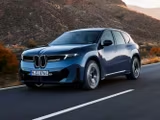
New iX3 Is BMW’s EV Monster
BMW iX3 II (NA5)
BMW iX3 II (NA5)•
•55 مشاهدة
BMW has revealed new details about the upcoming iX3 Long-Wheelbase EV, with official MIIT data confirming impressive efficiency figures. The electric SUV achieves a claimed CLTC range of 919 km while consuming just 13.6 kWh/100 km.
Built on BMW’s Neue Klasse platform, the new iX3 uses an 800V electrical architecture, large cylindrical batteries, and Cell-to-Pack technology. Compared with the previous generation, BMW says the new system delivers 20% higher energy density, 30% more range, and improved charging performance.
The dual-motor setup produces up to 351 kW (477 hp), while fast charging can reportedly add 400 km of range in only 10 minutes. The SUV also features BMW’s “Driving Control Super Brain,” designed to coordinate power delivery and chassis systems in milliseconds.
The exterior follows BMW’s latest design language, featuring a 3D illuminated kidney grille, digital-style lighting elements, and a China-specific “Mirror-Light Corner” replacing the traditional Hofmeister kink. Measuring 4,885 mm long with a 3,005 mm wheelbase, the long-wheelbase iX3 offers extra cabin space for Chinese customers.
Inside, BMW introduces the new Panoramic iDrive system with a panoramic display bridge and a 3D Head-Up Display capable of projecting a nearly 40-inch 4K image. A 17.9-inch central touchscreen, Huawei HiCar, Apple CarPlay, and AI-powered voice functions further enhance connectivity.
The smart driving system, developed with Momenta, uses AI models designed for Chinese roads and supports advanced driver assistance features. Passenger comfort has also improved with upgraded rear seats, a front passenger leg rest, and up to 1,900 litres of combined cargo space.
The BMW iX3 Long-Wheelbase is expected to begin pre-sales at the Chengdu Auto Show, with deliveries planned for the fourth quarter. Can this electric SUV become BMW’s strongest rival in the premium EV segment? Will its huge range convince buyers to switch from traditional luxury models? Or is the future of premium EVs about more than just numbers?