Продажа новых и подержанных автомобилей Hyundai Elantraна Ближнем Востоке (GCC) - 459 предложений
Страна, город
В кредит
На гарантии
Марка
Модель
Поколение
Кузов
Коробка
Двигатель
Привод
л
л
Год от
до
км
км
AED
AED
Все фильтры
c
c
л.с.
л.с.
мм
л
Цвет
Сиденья
Руль
Состояние
Региональные спецификации
Срок размещения
Обмен
С видео
Со скидками
Для экспорта
2
459 объявлений
Новый
еще 10 фото
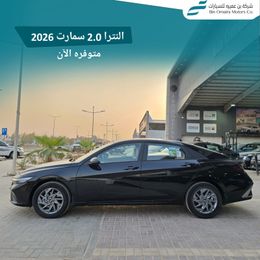
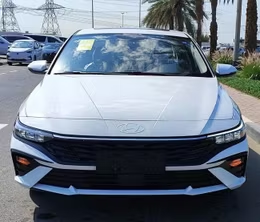
Hyundai Elantra VII (CN7) Рестайлинг
Hyundai Elantra Luxe
•
Черный
•
Левый руль
2.0 л, 149 л.с., Бензин
FWD
CVT
Седан
GCC
The 2026 Hyundai Elantra VII (CN7) Facelift presents a refined sedan experience with a bold black exterior and front-wheel-drive layout, powered by a robust 2.0-litre petrol engine delivering 149 hp matched to a smooth CVT. Inside, you’ll find thoughtful comfort and modern practicality, wi
2026
0 км
Цена по запросу
Новый
еще 8 фото
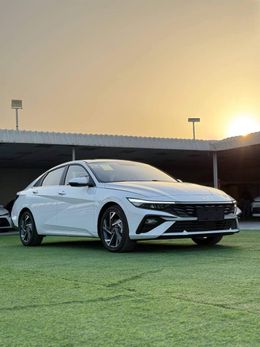
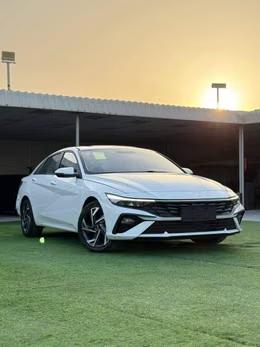
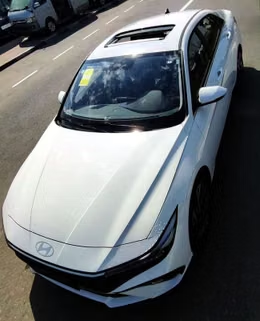
Hyundai Elantra VII (CN7) Рестайлинг
Hyundai Elantra GLX
•
Белый
•
Левый руль
1.5 л, 115 л.с., Бензин
FWD
CVT
Седан
Китайская
🏷 Торг уместен
🔥 Срочно
💯 Максимальная комплектация
إلنترا CN7 Facelift الجديدة لعام 2025 من هيونداي فئة السيدان تجمع بين تصميم حديث وتجربة قيادة مريحة. المحرك سعة 1.5 لتر بقوة 115 حصاناً مدمج مع ناقل حركة CVT يوفران تسارعاً ناعماً وكفاءة وقود مناسبة للاستخدام اليومي، مع الدفع الأمامي الذي يعزز الثبات والراحة في حركة المدينة والطرق العادية.
2025
0 км
61 000 AED
Выделение цветом
Отличный способ привлечь внимание к вашему предложению среди остальных - оно будет более заметным в результатах поиска.
Hyundai Elantra 1.5L Full Option 2025
Engine: 1.5L Petrol
• CVT Gearbox
• 115 Horse Power
• Tyre Pressure Monitoring System
• 6 Airbags
• 4 Parking Sensors (front & rear)
• Rear Camera
• Cruise Control
• Digital Odometer
• Auto Hold
• Electric Handbrake
• Keyless En
2025
0 км
51 000 AED
Выделение цветом
Отличный способ привлечь внимание к вашему предложению среди остальных - оно будет более заметным в результатах поиска.
Цена Hyundai Elantra начинается от 12 500 AED и достигает 803 054 AED. Итоговая стоимость на дороге может незначительно отличаться в зависимости от страховки, регистрации и дополнительных аксессуаров.
На графике — динамика средней цены модели на вторичном рынке за последний год. Эти данные помогут вам оценить выгодность покупки и спрогнозировать будущую стоимость авто.
Цены на AUTO.AE могут отличаться от фактической стоимости продажи. Данные основаны на нашей базе проданных автомобилей и актуальных объявлениях. Для точной оценки воспользуйтесь нашим инструментом.
When Should Hyundai Elantra Brake Pads and Rotors Be Replaced?
Replace Hyundai Elantra brake pads and rotors according to condition rather than a universal mileage. A car in daily stop-start traffic and a sedan driven mainly on highways place different demands on their brakes. The decision requires lining and rotor measurements, caliper checks and rear brake inspection. Quiet brakes and familiar pedal feel do not replace an examination. This article covers regular Elantra sedans, particularly AD and CN7 generations. Hyundai’s GCC specification for the current model lists ventilated front discs and solid rear discs. That layout should not be assumed for every year and trim. Identify a used car’s configuration by VIN and inspection first; Elantra N requires separate parts selection. In brief. There is no universal replacement mileage: inspection and measurements come first. Confirm the rear brake and parking brake arrangement. Select rotors and pads by VIN and the installed assembly. Identify the Brake Specification First Before buying parts, record the VIN, generation, build date, engine and original market. This matters for used Elantras in the GCC: the model name alone does not establish the brake configuration. Compare catalogue information with the fitted calipers and rotors, particularly if the car has been modified. For a rotor, check outer diameter, thickness, height and mounting dimensions. For pads, confirm the part number, shape and axle position. At the rear, also identify the parking brake arrangement. Wheel size, similar packaging or a matching registration year does not establish compatibility. AD and earlier versions. Confirm the rear brake configuration by VIN and inspection. CN7. Check the trim specification and whether an electric parking brake is fitted. Elantra N and N Line. Do not treat these names as the same brake specification. Modified brakes. Match parts to the assembly actually installed on the car. Why There Is No Single Replacement Mileage Brake life depends on stop frequency, speed before braking, load and free movement of the mechanisms. Inspect at the service intervals for your Elantra and sooner when symptoms appear. Recorded thickness helps track wear but cannot promise an exact remaining distance. Agree on the next check with the workshop when a component approaches its limit. Findings That Can Justify Replacement Assess pads and rotors separately: new pads do not always require new rotors. Check remaining friction material, cracks, contamination and working surfaces. Uneven wear calls for investigation of the cause. Otherwise, the replacement set may quickly develop the same fault. A pad has reached the wear limit for the fitted assembly, or the lining is damaged, separated or contaminated by a technical fluid. A rotor has reached its permitted minimum thickness, or measured geometry is outside the service limits. A rotor has cracks or working-surface damage that makes further use unacceptable. A faulty caliper or parking brake mechanism has caused overheating and damage; correct the fault and assess its consequences. Metallic grinding, fluid leakage, smoke from a wheel, strong pulling or a sinking pedal calls for a safe stop and assistance. Do not investigate such a fault with repeated hard stops. New vibration during ordinary braking also warrants diagnosis, even when the vehicle still appears to stop normally. Key rule. Replace pads as an axle set and rotors as an axle pair with new pads. Front and rear axles do not necessarily need service together: their condition determines the work required. Correct leaks and binding during the repair. Measurements to Request from the Workshop Brembo’s guidance identifies the rotor thickness limit as MIN TH. Measure the working section at several points, avoiding the outer lip. Ask for actual thickness and the permitted minimum for each rotor. If rear drums are fitted, check their internal diameter against the permitted maximum; this is a different wear criterion. The Inner Pad Needs Inspection Too Looking through wheel spokes reveals only part of the assembly. The outer pad may appear usable while the inner pad is close to its limit. A difference calls for checks of the slides, piston, dust boots and pad seats. Inspect both wheels on each disc-braked axle; a drum assembly requires a separate inspection after removal. Should You Wait for Squeal or a Warning A high-pitched sound can come from a mechanical wear indicator, where fitted, but not every squeal means that lining thickness is critical. The ABS lamp does not measure pad thickness either. Follow the vehicle instructions for dashboard warnings, and do not use the absence of a warning as a reason to postpone inspection. Connecting Symptoms with Brake Checks Describing when a complaint occurs helps diagnosis more than immediately requesting new rotors. Note the speed, brake temperature and where vibration is felt: steering wheel, pedal or body. If the problem followed repair, explain which parts were replaced and when. One symptom can have several causes. When Vibration Starts After Service Brembo’s noise and vibration guidance includes checks of hubs, calipers and hardware. Dirt on a mounting face or an assembly error can affect a new rotor. Before replacing it again, the workshop should measure runout and thickness variation and check the hub and evenness of pad contact. What Accelerates Wear in GCC Driving frequent deceleration in dense urban traffic; repeated hard braking from high speed; long descents with passengers and luggage; a caliper or parking brake mechanism that does not release fully; leaks, damaged dust boots and contaminated linings; dirt and corrosion on slides and pad contact points; incorrect component specifications or installation errors. Urban stops and mountain descents create different demands even at the same mileage. Assess brake condition before a trip, and use the appropriate transmission setting on descents as instructed for the vehicle. Hot weather alone does not establish a replacement interval: component condition and the absence of constant brake drag matter. Rear Brakes and the Parking Brake Hyundai’s regional brochure shows an electric parking brake with Auto Hold, although equipment varies by version. With EPB, the workshop must follow the procedure for the particular car, including service mode where required. With a mechanical system, check cables and full release. If rear drums are fitted, inspect shoes, wheel cylinders and adjusters; tightening a cable cannot replace these checks. Brake Replacement Checklist Ask for measurements and the reason for each component replacement to be recorded. This list helps agree on the service scope and confirm that identified faults are addressed alongside worn parts. ☐ Confirm the VIN, generation and installed brake specification. ☐ Describe squeal, vibration, pulling and changes in pedal travel. ☐ Investigate dashboard warnings and the causes of diagnostic faults. ☐ Measure inner and outer pads in all disc brake assemblies. ☐ Record rotor thicknesses and the relevant limits. ☐ If rear drums are fitted, inspect shoes and measure internal diameter. ☐ Check calipers, wheel cylinders, dust boots, hoses and connections. ☐ Confirm part numbers, axle position and required fitting hardware. ☐ Establish the correct parking brake service procedure. ☐ Check pedal feel and brake operation, and agree on bedding instructions. Common Service Mistakes selecting parts from the Elantra name and registration year alone; replacing one rotor or a single pad instead of an axle set; inspecting only a visible outer front pad; machining a rotor without checking permission and final thickness; assuming that every trim uses the same rear brake arrangement; leaving binding or leakage unresolved after fitting new parts. Important. Fluid leakage, a sinking pedal, strong pulling, smoke from a wheel or a sudden loss of braking effectiveness calls for a safe stop and assistance. Do not continue driving with faulty brakes. Conclusion Measurements and mechanism condition determine Hyundai Elantra brake replacement timing. Identify the specification first, then inspect both axles and the parking brake. Choose an axle set with verified fitment, and correct leaks or binding alongside replacement of worn components. If you are choosing a used Hyundai Elantra, current offers can help you compare cars. Before buying, request the brake service history and arrange checks of the pads, rotors or drums. Measurements and a parking brake check will help assess near-term maintenance costs.
How Often to Change Differential Oil in a Hyundai Elantra
In a front-wheel-drive Hyundai Elantra, the front differential is integrated into the transaxle and shares its lubrication system. There is no separate driven rear differential. The relevant fluid-change requirement therefore comes from the maintenance schedule for the installed transmission. There is no single interval for every Elantra. Identify the Transmission First The differential lets the driven wheels rotate at different speeds when cornering. In the Elantra, it forms part of the front transaxle. Servicing depends on the transmission code, model year and fluid requirement: a conventional automatic, IVT, manual and DCT need different consideration. Check the VIN specification against the service records. An advert describing the car as “automatic” does not identify the correct fluid. The container on the cover illustrates transmission servicing; its label is not a product specification. Important. The figures below come from the 2025 Elantra CN7 manual and apply to the petrol versions it covers. Hybrid, Elantra N, other generations and replacement transmissions require their own documentation. The transmission types listed were not necessarily offered in every market. When to Change the Fluid The Hyundai normal maintenance schedule calls for an AT-fluid inspection every 30,000 km or 24 months, whichever comes first, in its Middle East entry. It specifies no routine fluid service for IVT, manual or DCT. This does not cancel the separate severe-use schedule or the need to investigate a fault. The severe-use schedule specifies AT and IVT fluid replacement every 90,000 km, and manual and DCT fluid replacement every 120,000 km. These figures belong to the relevant entries in the 2025 CN7 manual. The qualifying conditions differ by transmission, so check both the installed unit and how the car is used. Describe Your Driving Conditions Tell the workshop about heavy traffic, dusty roads, frequent mountain routes and commercial use. These appear in the schedule; short journeys and frequent stop-and-go driving also apply to the AT and IVT entries. Do not carry the engine-oil interval over to transmission fluid. If service history is missing, first establish the transmission’s condition, check for leaks and identify any previously used fluid. An “inspected” entry does not confirm replacement. Ask the workshop to explain the proposed work and record the next service deadline. Choose the Correct Fluid These examples come from the Hyundai lubricant table for the corresponding 2025 CN7 transmissions. Confirm the requirement for your actual unit before buying. Note. Matching viscosity does not prove interchangeability. Do not select generic rear-axle oil simply because the job mentions a differential. The service refill quantity and level-check method come from the procedure for that transmission, rather than its total capacity. When an Unscheduled Check Is Needed Humming, judder or vibration does not uniquely identify a differential problem. Tyres, wheel bearings, driveshafts or the transmission itself can produce similar symptoms. Note whether the problem occurs when cold, under acceleration, while cornering or after a long journey. Why Colour Alone Is Not Enough Hyundai explains in its AT-fluid guidance that darkening during use is normal and does not, by itself, require replacement. Assess the fluid alongside service history, symptoms and inspection findings. This guidance concerns AT fluid; it is not a universal rule for every lubricant. • Fresh fluid does not restore worn bearings or damaged gears. • Topping up does not repair a leak. Water entry into a transmission requires a separate inspection and service plan. Check the Service Invoice ☐ The VIN, transmission type and operation are identified. ☐ The fluid name, specification and actual refill quantity are recorded. ☐ The level was checked using the procedure for that transmission. ☐ Leaks, observations and post-service checks are documented. ☐ The date, mileage and next service deadline are retained. When browsing current listings for a Hyundai Elantra, request transmission-service records. Match the installed unit, fluid used and mileage: a general maintenance stamp alone does not establish these details. Conclusion On a front-wheel-drive Elantra, differential servicing is linked to transmission fluid. Identify the unit before selecting the schedule and product. For the CN7 versions discussed, severe-use intervals differ between AT/IVT and manual/DCT. Leaks or unusual symptoms need investigation regardless of mileage.
Does a Hyundai Elantra need transfer case oil changes?
A production Hyundai Elantra has front-wheel drive and no separate transfer case. It therefore needs neither a transfer case oil change interval nor a fluid selected for that component. If this operation appears on an estimate, first establish which unit the workshop actually intends to service. The official Hyundai UAE brochure identifies the Elantra as front-wheel drive. However, transmission types vary with the model year and version. Having no transfer case does not remove the need to maintain the transmission itself: check its requirements against the VIN, unit code and vehicle manual. Briefly. A front-wheel-drive Elantra has no separate transfer case. Clarify any estimate for servicing one, and check the real transmission’s maintenance requirements against its own schedule. What the Elantra drivetrain contains A transfer unit routes drive between different parts of a suitable four-wheel-drive system. A standard front-wheel-drive Elantra does not use that layout. Drive reaches its front wheels through the transmission, final drive, differential and wheel driveshafts. Transmission. Its type and exact specification determine the correct transmission fluid and servicing procedure. Front differential. This allows the driven wheels to turn at different speeds in a corner. Its presence does not mean the car has a transfer case. Wheel driveshafts. Joints and protective boots need inspection, but this is not a reason to add a transfer oil change to the job order. Why component names matter “Final drive”, “differential”, “transmission” and “transfer case” are not interchangeable estimate items. Ask the technician to show you the component and name the operation using the service documentation. The explanation should match the construction of your particular vehicle. If a workshop recommends transfer case oil The entry may be a template error or an inaccurate description of another operation. Do not judge the entire job by one word, but request a correction before paying. The estimate should clearly identify the procedure and fluid you are being charged for. Identify the unit. Ask whether the work concerns the transmission, rather than a separate component that the car does not have. Check the reason. Request the applicable schedule or diagnostic finding, rather than a generic service package for every model. Agree on the material. The fluid name and specification must suit the transmission actually fitted. Obtain a revised estimate. Accurate wording matters both for the price and for the vehicle’s future maintenance record. Important. Humming, jerking or a leak requires diagnosis. These symptoms do not establish the presence of a transfer case or justify changing oil in a component the car does not have. Which fluid actually needs checking? The Elantra CN7 2025 owner’s manual lists SP4M-1 for the conventional automatic transmission and Hyundai genuine SP-CVT1 for the IVT. These are examples for different transmissions, not alternative transfer case oils. Confirm applicability to the particular Elantra before using either. Source: Elantra CN7 2025, Recommended lubricants and capacities. Do not extend these requirements to other years, Hybrid or N versions without verification. Why there is no universal mileage interval An absent transfer case cannot require an oil change at 40,000 km, 60,000 km or any other mileage. The actual transmission schedule depends on the fitted version and the conditions defined in its maintenance instructions. Fluid inspection and replacement may also be separate operations. Tell the workshop about frequent short trips, traffic, prolonged low-speed driving and other routine demands. Use that information and the manufacturer’s criteria to establish whether a severe-use schedule applies. Hot weather alone does not make an arbitrary thicker fluid suitable. With an unknown service history, begin by reviewing records and checking the transmission’s condition. An “oil changed” entry without the component name does not establish what was done. Ask for the reason to service it now and the next due point under the applicable schedule. What a transmission service order should include A clear job order connects the fitted transmission, required fluid and selected procedure. A total capacity in a specification table should not automatically be treated as the amount needed for a routine drain and refill. The transmission code or exact version, fluid name, specification and service quantity. The level-checking procedure and required conditions, including temperature if specified by the instructions. The consumables and operations, a leak check, recorded mileage and the next service due point. Checking the estimate and completed work Owner checklist ☐ Record the VIN, model year and Elantra version. ☐ Identify the fitted transmission type and code. ☐ Remove servicing of an absent transfer case from the estimate. ☐ Ask for an explanation of inaccurate component names. ☐ Find the schedule for the actual vehicle specification. ☐ Agree on the fluid specification and service procedure. ☐ Report leaks, noises or jerking to the technician. ☐ Obtain a corrected, detailed service invoice. ☐ Keep the documents, mileage and next service due point. Common mistakes Paying for a generic package that includes transfer case servicing. Treating the front differential as a separate transfer case. Buying ATF or CVT fluid based only on the Elantra name. Trying to cure every noise by changing transmission fluid. Conclusion The Hyundai Elantra does not need transfer case oil changes: the front-wheel-drive model has no such component. Useful maintenance starts with identifying the transmission, finding its schedule and obtaining an accurate estimate. If symptoms appear, establish their cause first. When comparing current offers for the Hyundai Elantra, examine service documents alongside mileage and specification. Precise transmission maintenance entries are more useful than a general claim that “all oils were changed”.
Вопросы и ответы о Hyundai Elantra (FAQs)
В объявлениях могут быть представлены комплектации Hyundai Elantra от 1964 года Active, SE, Comfort, Luxe и другие. Актуальный список зависит от выбранной страны, года выпуска и наличия автомобилей. Используйте фильтр «Комплектация», чтобы сравнить доступные варианты.
Пробег следует оценивать вместе с возрастом, состоянием и сервисной историей автомобиля. Сравните показатель с похожими машинами того же года и перед покупкой проверьте историю обслуживания и фактическое состояние автомобиля.
Сейчас на AUTO.AE представлены Hyundai Elantra от 1964 года по цене от 12 500 до 803 054 AED. Цена зависит от года выпуска, пробега, комплектации, состояния и региональной спецификации. Данные рассчитаны по активным объявлениям и могут меняться.
У частного продавца цена может быть ниже, а шоурум может предлагать дополнительные услуги — например, финансирование, гарантию или помощь со страхованием. Условия различаются, поэтому проверяйте информацию в объявлении, документы автомобиля и данные продавца.
Проверьте регистрационную карту автомобиля Mulkiya, VIN на автомобиле и в документах, данные владельца, сервисную историю и сведения об авариях. Также уточните наличие действующего кредита, штрафов или других ограничений. Перед сделкой желательно провести независимую проверку.
Да. Можно договориться с продавцом о независимой технической проверке в выбранном сервисном центре. Диагностика поможет оценить состояние двигателя, трансмиссии, кузова, электроники и других узлов.
GCC Specs означает, что автомобиль изготовлен в спецификации для рынков стран Персидского залива. Такие версии обычно рассчитаны на местные климатические условия. Однако GCC Specs сама по себе не подтверждает состояние автомобиля и не означает наличие действующей гарантии — это нужно проверять отдельно.
Некоторые шоурумы предлагают финансирование. Если оно доступно, условия или ориентировочный ежемесячный платёж могут быть указаны в объявлении. Итоговая ставка и одобрение зависят от банка, первоначального взноса и данных покупателя.