Nissan Patrol: when to change brake fluid
Nissan Patrol
Nissan Patrol•
•48 views
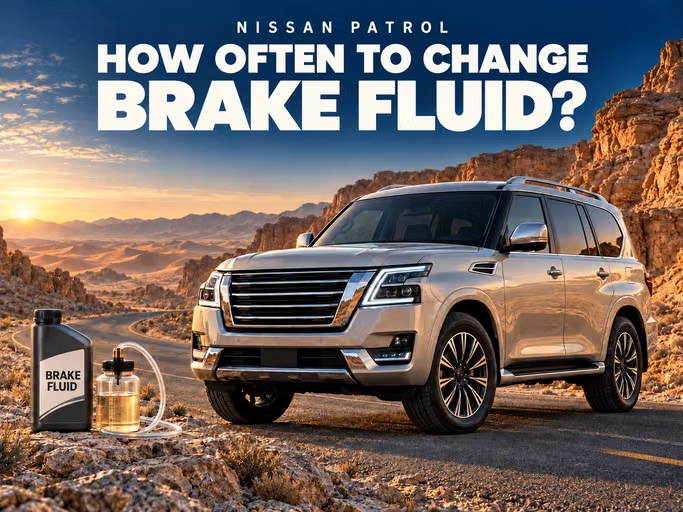
A Nissan Patrol may handle family journeys, long-distance travel and trips beyond paved roads. With passengers, luggage or a trailer aboard, its brakes can face substantial demands, especially on long descents. Healthy pads matter, but the hydraulic system also depends on its fluid. Replace it according to time and mileage requirements, even when the pedal still feels familiar.
Symptoms that need attention
A braking problem is not always caused by old fluid. These symptoms call for diagnosis rather than a routine fluid change alone:
- The pedal becomes soft, travels farther than usual or slowly sinks under steady pressure.
- Braking performance deteriorates after repeated stops or a prolonged descent.
- A brake warning remains illuminated with the parking brake released.
- The reservoir level is below the specified range or falls again after topping up.
- Fluid traces appear around connections, hoses or the wheels.
Why fluid ages even with little driving
Glycol-based brake fluid gradually absorbs moisture. This lowers its boiling point and reduces the margin against vapour formation under heavy heat. Gas compresses inside a hydraulic system, affecting the transmission of force from the pedal to the brakes.
Appearance alone does not reveal the fluid’s condition. Clear-looking fluid may already be due for replacement, while dark fluid does not identify the cause of a braking fault. A useful assessment combines suitable testing equipment with a reliable service history.
Topping up restores the level but does not renew the fluid throughout the brake circuits. Low mileage does not stop ageing either. When an invoice says “brakes serviced”, establish what actually happened: were the pads replaced, was the reservoir topped up, or was a complete fluid exchange performed?
Nissan Patrol brake fluid intervals
The Nissan maintenance schedule specifies replacement at 40,000 km or 24 months under normal conditions, whichever comes first. For high-humidity or mountainous use, it gives a shorter interval of 20,000 km or 12 months. Confirm that this schedule applies to your Patrol using its own service documentation.
Check the fluid requirement in the manual for the exact vehicle. The linked Patrol Y62 document specifies Genuine Nissan Brake Fluid or an equivalent DOT 3 product for the relevant version. This does not establish one specification for every Y61, Y62 or Y63: the vehicle’s year, equipment and applicable instructions still matter.
| Item | Reference | What to confirm |
|---|---|---|
| Normal conditions | 40,000 km / 24 months | Whichever comes first; schedule applicability. |
| Humidity or mountains | 20,000 km / 12 months | Conditions and the vehicle-specific schedule. |
| Fluid | DOT 3 for the cited Y62 version | The requirement for the exact vehicle and year. |
| Quantity and result | Complete exchange procedure | Final checks and a clear service record. |
Choosing the correct fluid
Select a product that meets the documented requirement rather than assuming that a higher DOT number is an upgrade. DOT 3, DOT 4 and DOT 5 designations do not make products interchangeable in every vehicle. Do not mix unknown fluid types or select a substitute because its packaging looks similar.
Use fresh fluid from a sealed container. A bottle opened long ago may have absorbed moisture before it reaches the car. The amount needed depends on the complete exchange procedure and any associated repairs; reservoir capacity is not the same as the quantity consumed during servicing.
How driving conditions affect maintenance
The same mileage can represent relaxed highway journeys or demanding trips with cargo and repeated braking. Explain how your Patrol is used when booking service. That information helps the workshop choose the applicable schedule and identify brake components that need closer inspection.
Descents, towing and sand driving
Long descents and towing increase the heat that the brakes must handle. A product labelled “racing” is not a remedy for uncertain brake performance. First establish that the system is sound and that the chosen fluid meets the manufacturer’s requirements, then perform the necessary maintenance.
In the cited schedule, the shorter brake fluid interval is specifically associated with high humidity or mountainous use. Desert and dusty driving affect other maintenance items too, but they should not be converted into an invented fluid replacement interval. After demanding off-road use, inspection of hoses, connections and brake hardware is sensible.
Why the generation and system design matter
Patrol generations differ in brake equipment and service procedures. The linked Y62 manual includes specific preparation before adding fluid to the reservoir because of the way the system operates. Follow the exact vehicle instructions even for level checks and preparation; obtain the bleeding sequence from the applicable workshop manual.
What a proper fluid change involves
A complete service includes checks before and after the fluid exchange. A workshop should cover these main stages:
- Identify the vehicle by VIN and confirm its fluid specification and applicable service procedure.
- Check the level, leaks, hoses and connections, and investigate warning lights or changes in pedal behaviour.
- Prepare the system according to the workshop instructions, protect painted surfaces and clean the reservoir area.
- Exchange the fluid and remove air in the specified sequence without allowing the reservoir to run dry. Use diagnostic equipment when the procedure requires it.
- Check the level with the system in its prescribed condition, inspect for leaks and verify pedal operation and braking performance.
- Record the date, mileage, product used and work completed, then establish the next service deadline.
Questions to ask the workshop
Ask whether the quote includes a complete fluid exchange, how the fluid specification is selected and which final checks are included. A leak, a brake booster fault or air in the system cannot simply be signed off as an old-fluid issue. Repair the cause and verify the result before returning the vehicle to normal use.
Used Patrol buying checklist
When comparing current listings for the Nissan Patrol, look beyond equipment and mileage. Brake service records help show whether maintenance has been consistent throughout the vehicle’s ownership.
☐ Find a confirmed date and mileage for the last complete brake fluid change.
☐ Check whether the invoice identifies the product and specification used.
☐ Ask about mountain driving, towing and sustained heavy loads.
☐ Arrange an inspection of brake pipes, hoses, calipers, discs and pads.
☐ If the history is unknown, budget for diagnosis and the necessary maintenance after purchase.
Common ownership mistakes
- Treating a pad replacement as evidence that the brake fluid was changed.
- Delaying time-based maintenance because annual mileage is low.
- Choosing a DOT grade by its number without checking the vehicle requirements.
- Repeatedly topping up without investigating why the level falls.
- Copying bleeding procedures or intervals from a different Patrol generation.
Conclusion
A Nissan Patrol needs the correct fluid, the applicable maintenance schedule and a properly completed exchange. Match the service deadline to its documentation and driving conditions, and keep a clear record of the work. If pedal behaviour changes or a warning appears, have the brakes checked promptly rather than waiting for the next scheduled visit.