






نوع الجسم
الأسعار
أفضل مكان للشراء

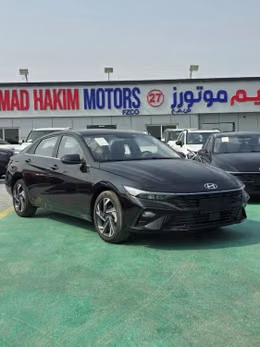
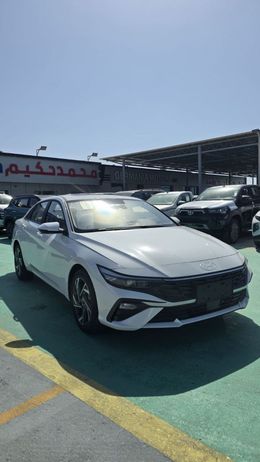
Hyundai Elantra كوبيه
17,000 AED
-
Hyundai Elantra سيدان
12,500 - 803,054 AED
أفضل مكان للشراء
Hyundai Elantra كوبيه
17,000 AED
أفضل مكان للشراء
-Hyundai Elantra هاتشباك 5 أبواب
21,000 AED
أفضل مكان للشراء
تمويل السيارة
مع الضمان
التبادل ممكن
فقط مع فيديو
فقط مع خصومات
للتصدير فقط
294 إعلان
كن أول من يعرف عن الإعلانات الجديدة
احفظ فلاتر بحثك لكي تجد الإعلانات التي تحتاجها بشكل أسرع.
يبدأ سعر Hyundai Elantra من 12,500 AED ويصل إلى 803,054 AED. قد تختلف التكلفة النهائية على الطريق قليلاً حسب التأمين والتسجيل والملحقات الاختيارية.
Hyundai Elantra كوبيه
Hyundai Elantra سيدان
أفضل مكان للشراء
Hyundai Elantra كوبيه
أفضل مكان للشراء
-Hyundai Elantra هاتشباك 5 أبواب
أفضل مكان للشراء
Hyundai Elantra يدوي
Hyundai Elantra أوتوماتيك
أفضل مكان للشراء
Hyundai Elantra ناقل حركة يدوي آلي
أفضل مكان للشراء
Hyundai Elantra ناقل حركة متغير باستمرار
أفضل مكان للشراء
Hyundai Elantra يدوي
أفضل مكان للشراء
-Hyundai Elantra بنزين
أفضل مكان للشراء
Hyundai Elantra هجين
أفضل مكان للشراء
Hyundai Elantra 2015
Hyundai Elantra 2026
أفضل مكان للشراء
Hyundai Elantra 2025
أفضل مكان للشراء
Hyundai Elantra 2024
أفضل مكان للشراء
Hyundai Elantra 2023
أفضل مكان للشراء
Hyundai Elantra 2022
أفضل مكان للشراء
Hyundai Elantra 2021
أفضل مكان للشراء
Hyundai Elantra 2020
أفضل مكان للشراء
Hyundai Elantra 2019
أفضل مكان للشراء
Hyundai Elantra 2018
أفضل مكان للشراء
Hyundai Elantra 2017
أفضل مكان للشراء
Hyundai Elantra 2016
أفضل مكان للشراء
Hyundai Elantra 2015
أفضل مكان للشراء
-Hyundai Elantra 2014
أفضل مكان للشراء
Hyundai Elantra 2013
أفضل مكان للشراء
Hyundai Elantra 2012
أفضل مكان للشراء
Hyundai Elantra عجمان
أفضل مكان للشراء
Hyundai Elantra الشارقة
أفضل مكان للشراء
Hyundai Elantra دبي
أفضل مكان للشراء
Hyundai Elantra المسكات عنب طيب الشذا
أفضل مكان للشراء
Hyundai Elantra جدة
أفضل مكان للشراء
Hyundai Elantra الرياض
أفضل مكان للشراء
Hyundai Elantra البريمي
أفضل مكان للشراء
Hyundai Elantra الجبيل
أفضل مكان للشراء
Hyundai Elantra الدمام
أفضل مكان للشراء
Hyundai Elantra بركاء
أفضل مكان للشراء
Hyundai Elantra خميس مشيط
أفضل مكان للشراء
Hyundai Elantra حفر الباطن
أفضل مكان للشراء
Hyundai Elantra المدينة المنورة
أفضل مكان للشراء
Hyundai Elantra مكة المكرمة
أفضل مكان للشراء
يوضح الرسم البياني ديناميكيات متوسط سعر الطراز في سوق السيارات المستعملة خلال العام الماضي. تساعدك هذه البيانات على تقييم جدوى الشراء وتوقع القيمة المستقبلية للسيارة.
قد تختلف الأسعار على AUTO.AE عن تكلفة البيع الفعلية. تستند البيانات إلى قاعدة بياناتنا من السيارات المباعة والإعلانات الحالية. للحصول على تقييم دقيق، استخدم أداتنا.

If you keep turning up the blower in your Hyundai Elantra, start by checking the cabin air filter. A clogged element can restrict airflow, but it does not explain every air conditioning problem. Replacement depends on the schedule for your particular vehicle and its operating conditions. Regular driving on dusty roads calls for more frequent inspection. Scope. The technical example is the Elantra CN7, using its 2025 owner’s manual. Confirm the schedule and part by VIN for MD, AD and other versions. The cover depicts a CN7; the illustrated filter is not a part-number reference. When to plan a replacement Find the correct filter entry Hyundai documentation uses the terms Cabin air filter and Climate control air filter for the passenger compartment ventilation filter. Do not confuse these with Air cleaner filter, which refers to the engine intake filter. When booking a service, name the required job in full so that a vague “air filter replacement” entry does not cause confusion on the invoice. The 2025 Elantra CN7 manual recommends replacing the cabin filter according to the maintenance schedule, with more frequent checks in dusty conditions. Confirm the specific interval for your Elantra in its service booklet and VIN-based maintenance information. Where both time and mileage limits are given, use whichever is reached first. A dusty route matters more than average mileage Two Elantras with identical odometer readings may have very different working lives. One mainly uses clean urban roads; the other passes construction sites and dusty access roads every day. The CN7 severe-use schedule calls for more frequent cabin filter replacement according to condition, including in heavy dust. That entry does not specify one shortened mileage interval. A practical approach is to include a filter inspection in the next service after a sustained period of such driving, then agree future checks with the workshop. If you have bought a used car, request a separate record of the last cabin filter replacement. Missing history is a reason to inspect the element rather than guess its remaining life from the odometer. Changes in airflow worth investigating • The airflow is weaker at the same blower speed with the vents open. • A whistle or unfamiliar noise near the glove box appears after replacement. • A musty smell repeatedly appears when ventilation starts. Check these symptoms with the car stationary and the settings unchanged. Automatic climate control may adjust blower speed by itself, so a fixed manual speed and air distribution mode make comparison easier. Note the recirculation setting too: changing it between checks makes the before-and-after result harder to interpret. Important. A sudden drop in airflow warrants a system check rather than waiting for the next scheduled service. Strong airflow with inadequate cooling also needs diagnosis: a filter replacement does not resolve every air conditioning fault. How to choose the correct filter Confirm fitment for your Elantra first A listing labelled “for Elantra” is not enough to make a purchase. Establish the generation, production year and VIN-based application. Take particular care when the registration year differs from the build year or the seller groups several generations together. MD, AD or CN7 narrows the search, but the catalogue application for the actual vehicle is the final check. Keep the correct part number in the service history. The old filter is useful for comparison, but do not assume it is an authoritative reference: a previous owner may have fitted the wrong element. Check thickness, frame shape and sealing edges as well as length and width. Particle or activated carbon filter A particle filter captures particulate matter. An activated carbon version also reduces certain odours and gaseous pollutants, as described in the MANN-FILTER guide. For driving in dense traffic, that may be a useful addition if the chosen version fits the car. Carbon does not guarantee the absence of every smell or remove the need for climate system maintenance. Do not judge service life by colour alone: fresh activated carbon media may already look dark. When inspecting, consider accumulated debris, damage, moisture and the condition of the pleats. Before fitting a new filter, examine its packaging and the part itself. A distorted frame or torn material is a reason to select an undamaged replacement. The filter must match the housing design. Do not trim its edges or leave the cover unsecured to accommodate an unsuitable part. If the replacement will not seat as its instructions describe, stop and recheck the part number. Applying more force is not a substitute for correct fitment. Replacement and the final check In the CN7 covered by the cited manual, the filter sits behind the glove box. Empty the glove box and switch off ventilation and the ignition before starting. Check how its stops and attachments are released for your production year: access through the glove box does not mean that every Elantra uses the same dismantling sequence. Remove the element carefully and clear accessible debris from the housing without pushing it further into the duct. Distinguish AIR FLOW from UP markings. As FRAM explains, the first indicates air movement and the second identifies the upper side. Match the markings to the instructions for the particular element and housing, then check seating and cover engagement. As DENSO explains, odours may originate on damp internal surfaces of the climate system. A new filter does not clean the evaporator. If the smell soon returns, tell the workshop whether it starts immediately and fades during the journey. That observation is more useful in finding the cause than adding another air freshener. After-service checklist ☐ The filter cover is secured and the glove box operates normally. ☐ Airflow has been compared before and after using identical settings. ☐ No new whistle or unusual noise is present. ☐ The date, odometer reading and part number are recorded. If you are choosing an Elantra, browse current offers on AUTO.AE. During inspection, test ventilation at several blower speeds and request the service records. A clean interior alone does not establish that the filter has been replaced. Conclusion Replace the Hyundai Elantra cabin filter according to the schedule for your vehicle, with more frequent checks in dusty use. Accurate selection and correct installation matter more than visual similarity. If weak airflow, odours or inadequate cooling remain after replacement, continue investigating the climate system.

Replace the Hyundai Elantra engine air filter according to the schedule for your version, or sooner if it is damaged or heavily contaminated. Even a city sedan encounters dust around car parks, construction work and open highways. Mileage since the last service is therefore only part of the picture. This article covers the under-bonnet engine air filter, which retains particles in incoming air. The cabin filter serves the ventilation system. Odours from the vents or weak air-conditioning airflow need a separate check and should not be attributed to the engine filter. Briefly. Check the replacement interval against your Elantra’s schedule. Dusty routes may call for extra inspections. Torn media and a poor seal need attention before the next routine service. When the Elantra air filter needs an earlier check Start with the service history. The invoice should specifically name the engine air filter: “oil and filter” usually refers to lubrication-system servicing. If the replacement date is unknown, ask for an inspection of the element and housing, then agree a servicing plan with your workshop. Dust has packed the pleats. Inspect the element surface and debris in the lower housing; a glance at the top layer does not provide the full picture. The media has a tear. Replace the element regardless of its mileage and investigate how the damage occurred. The frame or seal is distorted. Check the part specification and seating: air must not bypass the filter media. Contamination appears on the clean side. Inspect the housing and joints; dust may have passed through a gap or entered during earlier servicing. Whistling or hissing appears after replacement. Check the lid, fasteners and connections opened during the work. Why a city route can still be dusty An Elantra does not need to leave paved roads for its filter to face extra dust. Trucks, roadworks and wind can carry particles across the tarmac. Consider the whole daily route, including an unpaved parking area near home or work. After a particularly dusty trip, discuss an additional inspection with your workshop. Open the housing in a clean place after removing exterior sand. Before a long journey, arrange the check early enough to obtain the correct element and address any sealing faults found. When the entire intake needs checking A wet element or water inside the housing requires investigation. If water may have reached the engine after a deep-water crossing, do not start it to test it. A replacement filter does not remove water farther along the intake. Dust beyond the element also calls for a sealing check. Why filter condition and housing seals both matter Clogged media and a gap around the frame are different faults. One increases airflow restriction; the other may let particles bypass filtration. Servicing should therefore cover the seal, lid, fasteners and intake ducts as well as the pleats. Heavy clogging restricts incoming air. Its effects may appear under load, but reduced power alone does not establish a filter fault. A tear or gap reduces engine protection. A clean insert in a damaged housing does not solve dust ingress. A new filter cannot resolve every fault. If hesitation, unstable running or a dashboard warning remains, investigate the underlying cause. Important. Cleaning requirements depend on the filter media. Do not wash, blow out or oil an element without confirmed instructions. Dust on the clean side calls for a sealing check. How to establish your Elantra replacement interval Hyundai UAE recommends assessing the need for air-filter replacement during regular maintenance. This does not establish one interval for every Elantra. Find the specific engine air-filter entry in your version’s schedule and account for dusty conditions: the general service interval is not automatically its replacement interval. Have the VIN, or vehicle identification number, model year and engine details ready when requesting the correct schedule from your workshop. Find the specific engine air-filter entry and the last recorded replacement. With an unknown history, inspect the intake first and establish what work is needed. Why the Elantra name alone cannot identify the part Hyundai UAE lists 1.5-litre and 2.0-litre petrol engines on its new Elantra page. This illustrates why the model name alone is insufficient when ordering. Match the filter using the VIN, model year and engine; a similar-looking part in a box labelled “Elantra” does not establish compatibility. Compare element shape and height, seal profile and catalogue application for the housing fitted. The old filter’s number is useful for reference, but the previous part may also have been selected incorrectly. For a modified intake, identify the kit actually installed. How to check the quality of a replacement Access depends on the Elantra generation and engine. Follow the instructions for your version and do not pull the lid against secured fasteners. The cover filter illustrates the subject; its appearance is not a catalogue reference or a guide to a particular vehicle’s housing. Checklist before work and after installation ☐ Confirm the VIN, engine and new filter’s application. ☐ Park securely and apply the parking brake. ☐ Switch off, prevent accidental starting and let the engine cool. ☐ Remove exterior sand before opening the housing. ☐ Release fasteners without damaging hoses or wiring. ☐ Inspect the pleats, frame and clean side of the housing. ☐ Remove debris without letting it enter the intake downstream. ☐ Seat the element evenly and check the lid fit. ☐ Restore connections and record date, mileage and part number. Common air-filter servicing mistakes Selecting a filter by model name alone. For an Elantra, confirm the year, engine and catalogue application using the VIN. Judging condition only by colour. Darkening does not measure airflow restriction or replace damage checks and scheduled replacement. Washing or blowing out media without instructions. Permitted cleaning depends on the element and its manufacturer’s guidance; cleaning cannot repair tears or distortion. Forcing the housing closed. If the lid does not sit evenly, check the element position and part compatibility first. Starting the engine without its filter. The open intake lacks protection, and running it this way does not establish element condition. Waiting for noticeable power loss. Scheduled servicing and sealing checks are needed before pronounced symptoms appear. What to retain after servicing Record the replacement date, mileage and engine air-filter part number. If fasteners were broken or dust was found beyond the element, ask for the repair to be documented. Return for an assembly check if new noise or unstable running follows the work. Conclusion The Hyundai Elantra engine air filter needs correct selection, timely replacement and an even seal inside an intact housing. Use the schedule for your version, account for dust on everyday routes and address damage before the next routine service. If the engine behaves differently after servicing, check intake assembly and investigate the symptoms. When browsing current offers for the Hyundai Elantra, ask about service history and the last engine air-filter replacement. Invoices with part numbers and an intake inspection help establish what needs attention after purchase.

Change the Hyundai Elantra oil filter together with the engine oil. Planning depends on elapsed time as well as distance, the engine fitted and your usual driving pattern. A city sedan can cover few kilometres while making frequent starts and spending long periods in traffic. Here is how to establish the deadline, choose the filter and check the completed work. Key point. Fit a new filter when changing the engine oil. Check the interval in your Elantra’s documents and select consumables by VIN and engine. When the filter needs replacement or inspection There is no simple external sign that reliably shows an oil filter’s remaining service life. Schedule routine replacement using the maintenance requirements. If oil drips or a pressure warning appear, investigate the cause rather than assuming that fitting a new filter is enough. • The oil service is due. Find the date and mileage of the last change on the invoice. Where both time and distance limits apply, use whichever comes first; infrequent driving does not cancel the calendar deadline. • The service history is unknown. When buying an Elantra, establish whether the filter was changed with the oil. A reset reminder or a clean engine bay does not confirm this. If records are unavailable, discuss an inspection and initial service with the workshop. • A leak has appeared. Marks on the filter casing or beneath the car may come from the seal, drain plug or another component. Identify the source and correct the cause first. Tightening the filter further without inspection can damage the seal. • An oil pressure warning appears while the engine is running. Stop safely and switch off the engine. Do not continue until the cause has been checked: the fault may be unrelated to the filter. Why city driving deserves attention Hyundai UAE advises more frequent oil and filter changes under severe conditions. When agreeing the schedule, tell the workshop about short journeys, dust, traffic and long periods with the engine running while stationary. For an Elantra used daily for commuting and shopping, consider more than distance. Waiting with the engine running adds no kilometres to the odometer, but the engine continues working. Low monthly mileage alone is therefore not a reason to extend the interval. If your driving pattern changes, for example to more short trips, review the schedule before the next service. Do not choose an arbitrary shorter interval: identify the operating conditions in the vehicle’s documents that actually apply to your car. Why the filter should change with the oil MANN-FILTER explains that the oil filter captures contaminants carried by the lubricant. A used element already holds accumulated particles. Changing the oil does not clean that element, so it should not be carried into the next service interval. External inspection can reveal damage and leakage, but cannot establish the remaining capacity of the media inside. A clean casing does not mean a new filter. Accumulated contamination can restrict oil flow. Normal engine sound cannot measure resistance through the filter. A bypass valve, where fitted, maintains flow when resistance through the media is high. Its presence does not remove the need for timely replacement. Topping up and changing the oil are different operations. After a top-up, the previous service date and distance accumulated since then still count. Important. An oil pressure warning with the engine running calls for a safe stop and engine shutdown. Do not continue driving until the cause has been checked. How to establish the deadline for your Elantra Hyundai UAE’s advice gives a general oil change guideline of 10,000 km or six months, whichever comes first, with a new filter at every change. Treat this as a starting point for checking the documents, rather than a single schedule for every Elantra generation and all operating conditions. Check the owner’s manual and maintenance schedule for the model year, engine and original market. Review the severe-use provisions and last invoice. The reminder settings should match the agreed schedule; resetting a counter without completing an oil and filter change does not start a new interval. How to choose a suitable filter Hyundai’s regional Elantra page lists Smartstream G1.6, Smartstream G2.0 and Gamma 1.6 MPi petrol engines. The model name and displacement alone are therefore insufficient for ordering. Confirm the VIN, year, engine designation and part number. Check compatibility separately for other versions, including hybrid and performance models. When comparing current offers for a Hyundai Elantra, request invoices for recent oil services. They help establish dates and the consumables used. Cross-check the previous part number in the catalogue, particularly if the history is incomplete or the engine has been replaced. What to check during the service • Consumables. The filter must suit the engine and the oil must meet the required viscosity and specification. A similar-looking part, matching threads or a “synthetic” label does not replace checking the requirements. • Sealing and tightening. For a spin-on filter, clean the mounting surface and confirm removal of the old gasket. Prepare the new seal and install the filter according to its instructions. If a replaceable element inside a housing is used, follow the procedure for that version. • Refilling and checks. After replacement, inspect the filter and drain plug for leaks, then check the oil level using the vehicle’s procedure. Use the refill quantity for the specific Elantra engine; correct overfilling before handing back the car. Ask for the filter part number, oil details, date and mileage on the invoice. Update the reminder after the completed service. Record the next deadline in both time and kilometres, which is especially useful for a car with low annual mileage. What to check after replacement During the first few days after replacement, watch for fresh drips beneath the car and an oil smell. Tell the workshop when any changes appeared. Do not touch a hot filter. Darkening oil alone does not prove that the filter is old; check the records and confirmation of the work. Checklist before leaving the workshop ☐ Match the filter part number to the VIN-based selection. ☐ Check the oil viscosity and specification on the invoice. ☐ Confirm replacement of the necessary seals. ☐ Confirm that the oil level and absence of leaks were checked. ☐ Record the next service date and mileage deadline. ☐ Keep the invoice with the list of completed work. Common servicing mistakes • Changing the oil but keeping the used filter to save a small amount. • Buying a part purely because it resembles the previous one. • Copying another Elantra’s interval without checking its engine, year and driving conditions. • Leaving the old gasket in place or trying to stop a leak by overtightening. • Starting a new interval after a top-up or simply resetting the reminder. Conclusion Replace the Hyundai Elantra oil filter whenever you change the engine oil. Confirm the deadline in your vehicle’s schedule, accounting for elapsed time, mileage and city use. VIN-based selection, correct sealing and an oil level check after servicing help avoid mistakes. Keeping the itemised invoice gives you a clear basis for planning the next service.
قد تشمل إعلانات Hyundai Elantra الفئات التالية: Active، SE، Comfort، وLuxe، وغيرها. تعتمد القائمة الحالية على الدولة المختارة وسنة الصنع وتوفر السيارات. استخدم فلتر «الفئة» لمقارنة الخيارات المتاحة.
ينبغي تقييم المسافة المقطوعة إلى جانب عمر السيارة وحالتها وسجل صيانتها. قارن المسافة المقطوعة بسيارات مماثلة من سنة الصنع نفسها، وتحقق من سجل الصيانة والحالة الفعلية للسيارة قبل الشراء.
تتراوح أسعار الإعلانات الحالية لسيارة Hyundai Elantra على AUTO.AE من ١٢٬٥٠٠ إلى ٨٠٣٬٠٥٤ AED. يعتمد السعر على سنة الصنع والمسافة المقطوعة والفئة والحالة والمواصفات الإقليمية. تستند هذه البيانات إلى الإعلانات النشطة وقد تتغير.
قد يعرض البائع الخاص سعراً أقل، بينما قد يقدم معرض السيارات خدمات إضافية مثل التمويل أو الضمان أو المساعدة في التأمين. تختلف الشروط، لذا تحقّق من معلومات الإعلان ووثائق السيارة وبيانات البائع.
تحقّق من بطاقة تسجيل المركبة «الملكية» (Mulkiya)، ومن تطابق رقم الهيكل (VIN) على السيارة وفي الوثائق، وبيانات المالك، وسجل الصيانة، وسجل الحوادث. وتأكد أيضاً من عدم وجود قرض قائم أو مخالفات أو قيود أخرى على السيارة. ويُفضّل إجراء فحص مستقل قبل إتمام الصفقة.
نعم. يمكنك الاتفاق مع البائع على إجراء فحص فني مستقل في مركز خدمة من اختيارك. يساعد الفحص على تقييم حالة المحرك وناقل الحركة والهيكل والأنظمة الإلكترونية والمكوّنات الأخرى.
يعني مصطلح GCC Specs أن السيارة صُنعت وفق المواصفات المعتمدة لأسواق دول مجلس التعاون الخليجي. وعادةً ما تكون هذه الإصدارات مصممة لتناسب الظروف المناخية المحلية. لكن GCC Specs بحد ذاتها لا تثبت حالة السيارة ولا تعني وجود ضمان ساري؛ لذا يجب التحقق من حالة السيارة والضمان بشكل منفصل.
تقدم بعض معارض السيارات خيارات تمويل. وعند توفرها، قد تُذكر الشروط أو قيمة القسط الشهري التقديرية في الإعلان. تعتمد نسبة الفائدة النهائية والموافقة على البنك والدفعة الأولى وبيانات المشتري.


