Mercedes-Benz C-Class brake fluid replacement
Mercedes-Benz C-Class
Mercedes-Benz C-Class•
•9 مشاهدة
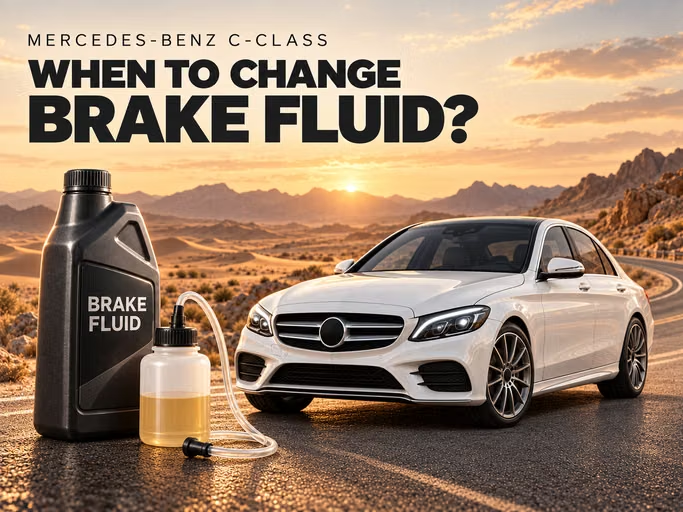
Brake fluid replacement for a Mercedes-Benz C-Class is generally planned around a two-year service cycle. Confirm the due date using the schedule for your version and the previous replacement record. Time-based servicing still matters when the car covers little distance. A sinking pedal, a leak or reduced braking performance needs separate investigation before the next scheduled service.
Signs that the brakes need checking
Watch for specific changes in system behaviour. When booking an inspection, explain whether the problem occurs as soon as you set off or only after the brakes warm up. Arrange a check in these situations:
- The pedal needs to travel farther to produce the usual deceleration.
- The pedal slowly sinks while steady pressure is applied.
- After repeated braking, stopping performance is worse than with cold brakes.
- The reservoir level falls and fluid traces appear on pipes, connections or near the wheels.
- A brake system or low fluid warning appears on the dashboard.
Why replacement is based on time
Fluid in the hydraulic circuit gradually absorbs moisture. This lowers its boiling point, allowing vapour pockets to form under intense heat. Pressure transmission deteriorates and pedal travel can increase. That symptom alone does not identify the cause: other brake faults can produce similar complaints.
Fluid clarity is not a sufficient guide. Colour cannot establish its age or confirm its working properties. A condition measurement helps the workshop assess the system, but does not justify extending the manufacturer’s specified interval at will.
For a C-Class used mainly on short trips, elapsed time deserves as much attention as mileage. If the previous replacement is undocumented, arrange an inspection and service to establish a known starting date. A pad replacement or engine oil service is not evidence that the brake fluid was renewed.
Replacement interval and required approval
Mercedes-Benz includes brake fluid exchange in its official Service B description, with repeat visits approximately every two years or at the specified mileage. That cycle helps with planning, but the C-Class schedule should be checked using the VIN and service documentation. A service reminder alone does not describe every operation that is due.
The C-Class W205 saloon manual issued in March 2020 specifies MB-Freigabe or MB-Approval 331.0 on printed page 437. Before buying fluid, check that the document applies to your car. Requirements for another generation or a special version need separate confirmation.
| What to establish | Reference | What to verify |
|---|---|---|
| When to replace | Two-year service cycle | The version’s schedule and previous replacement date. |
| Fluid approval | MB-Approval 331.0 for the stated W205 | Manual applicability and product approval. |
| Service history | A complete fluid exchange | The operations performed, not just a service stamp. |
| Quantity needed | Specified by repair instructions | The procedural requirement, not reservoir capacity. |
How to check the selected fluid
Identify the required approval first, then verify that the particular product is approved. A DOT marking alone does not establish compliance with every Mercedes-Benz requirement. A higher number on the bottle does not automatically make that fluid a suitable substitute.
The workshop needs enough fresh fluid from sealed packaging before starting. The amount depends on the exchange procedure and any repairs performed. Reservoir capacity is not a filling specification for the whole system, and a bottle opened long ago should not be used when its storage conditions are uncertain.
Using a C-Class in a hot climate
Summer driving, busy urban traffic and mountain routes call for attention to the entire brake system. Heat does not justify inventing a mandatory interval in place of the service schedule. An additional inspection before a journey with long descents is a sensible precaution for those conditions.
Traffic and mountain roads
In urban use, check pad wear and the condition of discs and hoses as well as the fluid. Before a descent, reduce speed and use the transmission modes described in the manual. Continuous pressure on the pedal increases the thermal load on the wheel brakes.
If braking performance falls after the system heats up, do not resume driving simply because the pedal later feels familiar again. The cause needs to be established. Vibration, metallic noise and pulling to one side also require diagnosis: changing fluid cannot resolve every brake defect.
Generations and equipment differences
W204, W205 and W206 cars require their applicable documentation. Body style, engine, drivetrain and fitted brake equipment all matter. Regeneration in a hybrid C-Class does not replace the hydraulic brakes or remove their servicing requirements. For AMG models, verify that the instructions and fluid approval apply to that particular version.
What a complete replacement should involve
Confirm that the job covers renewal throughout the specified circuits, rather than just extraction from the reservoir. Bleeding order, equipment pressure and diagnostic functions come from the repair documentation. A universal sequence cannot be assumed for every C-Class.
- Check the vehicle identity and previous service records.
- Inspect the brake system and investigate any warnings or leaks.
- Agree the necessary repairs and prepare approved fluid.
- Renew the fluid and remove air using the procedure for the fitted system.
- Check for leaks, verify the level and test brake operation before a controlled road test.
- Record the date, mileage, product, approval and operations on the invoice.
Choosing a workshop
Ask which C-Class generations the workshop services and whether it has the required repair instructions. What matters is its ability to complete the prescribed procedure and verify the result, rather than the equipment’s brand name. Work following replacement of hydraulic components may differ from a routine fluid exchange.
What to check on a used C-Class
When comparing cars, current listings help identify suitable versions, but service history needs documentary evidence. Use this short checklist before buying:
☐ There is a separate record of a complete brake fluid replacement.
☐ The recorded date and mileage allow the next service to be planned.
☐ The product and approval are stated and match this vehicle version.
☐ Any hydraulic repairs since the last replacement have been identified.
☐ Accessible system components have been inspected and braking concerns investigated.
Mistakes to avoid
- Postponing replacement because annual mileage is low.
- Assuming new pads prove that the fluid was serviced.
- Choosing a product by its DOT marking without checking approval.
- Treating a top-up or reservoir cleaning as a complete exchange.
- Ignoring a falling level and continuing to drive after topping up.
Conclusion
For a C-Class, the last brake fluid service date matters as well as mileage. Check the two-year reference against the car’s schedule, and use the confirmed 331.0 approval for the W205 discussed here. A complete exchange should end with system checks and a record of the work. Brake faults require attention regardless of when the next service is due.