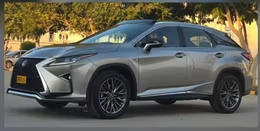
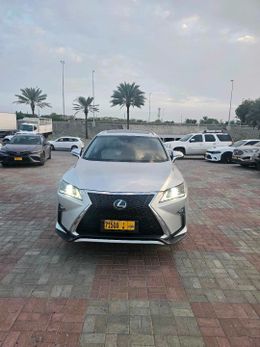
Цена Lexus RX начинается от 17 500 AED и достигает 355 000 AED. Итоговая стоимость на дороге может незначительно отличаться в зависимости от страховки, регистрации и дополнительных аксессуаров.
На графике — динамика средней цены модели на вторичном рынке за последний год. Эти данные помогут вам оценить выгодность покупки и спрогнозировать будущую стоимость авто.
Цены на AUTO.AE могут отличаться от фактической стоимости продажи. Данные основаны на нашей базе проданных автомобилей и актуальных объявлениях. Для точной оценки воспользуйтесь нашим инструментом.
Replace Lexus ES brake pads and rotors according to inspection findings and measurements. There is no universal replacement mileage: steady motorway journeys and frequent urban stops place different demands on the brakes. On the ES 300h, regenerative braking supplies part of the deceleration, but the friction brakes still need inspection. New pads will not correct a sticking caliper or an incorrectly seated rotor. This article focuses on the sixth- and seventh-generation petrol ES 250 and ES 350, and hybrid ES 300h. The seventh-generation description on global.toyota presents these powertrains separately. Select parts by VIN, build year and brake specification. Do not transfer part numbers or service procedures from these vehicles to newer generations, including electric ES versions. In brief. Measured wear and defects determine pad and rotor replacement. For the Lexus ES, account for generation, powertrain and installed brakes. Inspect linings on both sides of the rotors and correct the cause of uneven wear. How to Select Lexus ES Brake Components Start with the VIN, build date and factory specification. Matching body names on an ES 250, ES 350 and ES 300h do not establish pad or rotor interchangeability. The F SPORT designation is no substitute for a catalogue check either. If a previous owner changed the calipers or fitted larger rotors, also identify the manufacturer and markings of the components actually installed. For rotors, check diameter, working thickness, height and mounting dimensions. For pads, confirm shape, part number, axle and caliper compatibility. Rear brake selection must also account for the parking brake actuator. Wheel diameter alone cannot establish pad or rotor interchangeability. ES 250. Confirm the generation, drivetrain and part numbers for the specific VIN. ES 350. Cross-check build year, specification and installed brake kit. ES 300h. Verify hybrid fitment and the procedure for servicing its system. F SPORT and modified cars. Do not judge compatibility by appearance. Why Mileage Does Not Set a Mandatory Replacement Point Follow the inspection schedule for your ES and its operating conditions. Scheduled maintenance does not mean pads must be replaced at every visit. Ask for lining and rotor thickness to be recorded for each wheel: successive measurements show the rate of wear. Do not wait for the next service if noise, vibration or a change in pedal effort develops. When Replacement Is Necessary The workshop should explain why each component needs replacement. Pads are assessed for remaining friction material, integrity and contamination; rotors for thickness, surface condition and geometry. A serviceable rotor does not necessarily need replacement with every pad set. However, adequate thickness does not make cracks, damage or geometry outside the permitted limits acceptable. The lining has reached its wear limit, separated, suffered damage or become contaminated with oil or brake fluid. The rotor has worn to its minimum permitted thickness or has unacceptable cracks or damage. Runout or thickness variation exceeds the specification and cannot be corrected by an approved method. Binding or a leak has damaged components; the cause must be addressed alongside replacement. Do not postpone diagnosis of metallic grinding. If the pedal sinks, fluid leaks, a wheel smokes, the vehicle pulls strongly or braking deteriorates noticeably, stop safely and arrange assistance. Do not investigate a fault through repeated hard braking. Key rule. Replace pads as an axle set and rotors as an axle pair with new pads. Front and rear axles do not necessarily need repair together. Correct binding and leaks alongside replacement of damaged parts. Measurements to Request from the Workshop The technical explanation on bremboparts.com identifies minimum rotor thickness as MIN TH. Measure at several points on the working surface, excluding the outer wear lip. Compare the lowest reading with the limit for that specific component. A front rotor specification for one ES cannot automatically be applied to the rear axle or another variant. Why the Outer Pad Does Not Tell the Whole Story Looking through a wheel reveals only part of the brake assembly. Inspect linings on both sides of every rotor and compare left and right wheels on the same axle. Check caliper pistons, seals and dust boots; inspect slides where the design uses them. Uneven wear requires investigation. Leaving binding or contamination unresolved means that a new set alone will not restore proper operation. Why the ES 300h Still Needs Brake Inspections The ES update described on pressroom.lexus.com identifies both regenerative and hydraulic braking within the hybrid versions’ ECB system. Total mileage alone therefore cannot establish pad life, and a fixed lifespan should not be promised for a hybrid. Check lining thickness, both rotor faces and caliper movement. Low pad wear does not rule out corrosion, damage or uneven operation of the assemblies. Symptoms to Describe to the Technician Explain whether noise appears after parking, with light pedal pressure, after warming up or on a descent. Identify whether vibration is felt in the steering wheel, pedal or body. Pulsation during ABS activation does not by itself establish a rotor defect. Persistent vibration under ordinary braking needs diagnosis. No dashboard warning does not establish sufficient lining thickness. If Noise Appears After Service The noise guidance on bremboparts.com highlights rotor seating on the hub, caliper condition and fitting hardware. After repair, check assembly, runout, fasteners and pad installation. If squealing persists, also ask the workshop to check service guidance applicable to the VIN. Do not prescribe another replacement before identifying the cause. What Accelerates Wear and Increases Heat Load frequent acceleration and stopping in urban traffic; repeated heavy braking from high speed; repeated braking on descents with passengers and luggage; a binding caliper or a parking brake that does not fully release; oil or brake fluid contamination of the linings; damaged dust boots, corrosion or restricted movement of moving components; incompatible parts or fitting errors. If your ES is used for daily passenger journeys or transfers, record measurements for each wheel. A change of route or driver can alter the wear rate. On descents, use the transmission modes specified in the vehicle instructions and avoid holding the brake pedal continuously. Hot weather alone does not set a new replacement interval: component condition and correct operation determine the work needed. Why System Version and Parking Brake Type Matter The 2021 technical announcement on global.toyota describes brake changes separately for petrol and hybrid ES versions. Account for the specific vehicle instead of applying one procedure to every car. Before dismantling, the workshop must identify the parking brake actuator and system preparation requirements. With EPB, follow the specified procedure, including service mode where required. After assembly, check pedal operation, complete release, parking brake holding and the absence of faults. Pre-Replacement Checklist Before approving replacement, ask to see the wear or defects. Record measurements for each wheel, the permitted limits and the reason for repair on the job sheet. If wear is uneven, specify the work needed to address its cause separately. ☐ Confirm the VIN, generation, powertrain and brake kit. ☐ Describe noise, vibration, pulling and changes in pedal travel. ☐ Check dashboard warnings and the causes of faults. ☐ Inspect linings on both sides of every brake rotor. ☐ Record rotor thickness and minimum permitted values. ☐ Where vibration occurs, check runout and thickness variation. ☐ Inspect calipers, hoses, seals and dust boots. ☐ Confirm part numbers and required fitting hardware. ☐ Confirm procedures for the electronics and parking brake actuator. ☐ Verify braking and obtain bedding-in instructions. Common Service Mistakes ordering parts solely by the Lexus ES name and wheel size; replacing individual pads or a rotor on just one side of an axle; judging every lining by one visible outer pad; machining a rotor without checking permission and final thickness; treating the hybrid system as a reason to skip inspections; leaving a leak or binding unresolved after fitting new parts. Important. If fluid leaks, the pedal sinks, a wheel smokes, the vehicle pulls strongly or braking deteriorates sharply, stop safely and seek assistance. Do not continue driving with faulty brakes. Conclusion Replace Lexus ES pads and rotors when wear reaches its limit or unacceptable defects are found. Base the decision on measurements, inspection of both rotor faces and caliper checks. For the ES 250, ES 350 and ES 300h, account for generation, specification and system design. Regenerative braking does not remove the need for inspection, while correcting uneven wear helps prevent repeat repairs. If you are considering a used Lexus ES, current offers can help you compare vehicles. Before buying, request the service history and an inspection of both brake axles with measurements. Establish how the vehicle was used: frequent urban passenger journeys may be more relevant to wear assessment than a single odometer reading.
How Often to Change Differential Oil in a Lexus RX
There is no single differential service schedule for every Lexus RX. For the fourth-generation petrol RX AWD covered by the manual used here, rear differential oil replacement is scheduled every 40,000 km or 48 months. The RX 450h hybrid has a different rear drive system and requires a different fluid. Identify the Generation and Drivetrain A front-wheel-drive RX has no separate driven rear differential. A petrol AWD version has a rear differential and a separate transfer unit supplying drive to the rear axle. The front differential is serviced with the transmission, so identify these units separately on the job sheet. The RX technical description explains the RX 450h hybrid’s E-Four system: a separate electric motor drives the rear axle. All-wheel drive alone does not identify the correct lubricant. Confirm the VIN and vehicle specification before selecting a fluid. Important. The figures below concern fourth-generation RX 300 / RX 350 / RX 350L and RX 450h / RX 450hL versions covered by their respective manuals. The newer 2.4-litre turbo RX 350, RX 350h, RX 450h+ and RX 500h require their own schedules. Intervals for the Petrol RX AWD The RX 300 / RX 350 / RX 350L maintenance schedule distinguishes rear differential oil inspection from replacement. Apply the mileage or time limit, whichever comes first. The additional maintenance section links the shorter interval to heavy loading, such as using a roof carrier. Tell the workshop how the vehicle is used so it can select the applicable schedule entry. The Hybrid Has a Different Schedule The normal schedule in the RX 450h / RX 450hL manual specifies inspection of the rear drive unit fluid every 40,000 km or 24 months. No fixed replacement interval appears in that row. Assess severe use against the separate section in the same manual, rather than the petrol RX table. The Unit Determines the Fluid The petrol AWD rear differential specification calls for LT 75W-85 GL-5 gear oil. The hybrid rear drive unit uses a different fluid specification. The hybrid figures come from the RX 450h / RX 450hL specifications. The 1.8-litre capacity is a reference quantity, not an instruction to add that amount without following the prescribed level-check procedure. Keep the fluids separate. ATF WS and 75W-85 GL-5 hypoid gear oil serve different units and are not interchangeable. Labels such as “AWD” or “oil for Lexus” are insufficient for choosing a product. When an Earlier Inspection Is Needed New humming during acceleration or overrun, vibration and fresh oil traces warrant inspection regardless of the next service date. Noise alone cannot reliably identify a differential fault: tyres, wheel bearings and driveshafts can produce similar symptoms. Find the Cause First Tell the technician when the noise occurs: after warming up, at a particular speed or while turning. Ask for checks of the housing, seals and fluid level. If a leak is found, its source needs attention; topping up alone does not resolve it. Changing oil does not restore worn gears or bearings. If there is pronounced grinding, severe vibration or loss of drive, stop safely and seek assistance. Do not continue merely to reach a scheduled service appointment. How to Check the Service Record ☐ The job sheet identifies the VIN, date, mileage and exact unit serviced. ☐ The fluid name and specification match that unit. ☐ The actual quantity added is recorded, not just the reference capacity. ☐ Level checks, leak inspection and any repairs are documented. ☐ The next inspection or replacement deadline reflects operating conditions. Ask the workshop to list transmission, rear differential and other AWD unit work separately. A general “transmission oil changed” entry does not prove that each unit was serviced. This matters particularly when buying a car without a complete service history. If the Maintenance History Is Unknown Collect previous invoices and compare them with the recorded mileage. Where evidence is missing, agree on an inspection and subsequent plan with the workshop. A preventive change recommended after assessing condition should be described as such, rather than presented as a universal manufacturer requirement. When comparing current listings for a Lexus RX, confirm the drivetrain and request service documentation. Detailed records are more useful than a general assurance that “all fluids were changed”: they identify the product used and the unit that received it. Conclusion Lexus RX differential servicing starts with identifying the version. Petrol AWD and hybrid rear drive units have different fluids and schedules. Match the information to the vehicle’s manual, distinguish inspection from replacement and arrange diagnosis promptly if leaks or new noises appear.
When to change transfer case oil in a Lexus RX
For the fourth-generation Lexus RX 350 AWD covered by the manual reviewed here, transfer case oil replacement is scheduled every 40,000 km or 48 months. Certain demanding operating conditions shorten this to 20,000 km or 24 months. In each case, use whichever limit comes first. This article uses the RX 300 / RX 350 / RX 350L owner’s manual published on lexus.com.bh: the maintenance schedule is on pages 440–446 and fluid specifications on page 553. The RX 350 AWD is the example. For another generation, front-wheel drive or a hybrid, verify the requirements separately using the VIN. In brief. Identify the RX version first. The selected petrol AWD model has a separate transfer case schedule; hybrid all-wheel drive uses a different layout. Identify the all-wheel-drive system first On the petrol RX 350 AWD of the generation discussed here, the transfer unit helps send drive to the rear axle. Its oil is serviced separately from automatic transmission fluid. An ATF change does not mean the transfer case oil has also been replaced. Front-wheel-drive RX: there is no separate transfer case driving the rear wheels. A service quote listing one needs clarification. Fourth-generation RX 350 AWD: follow the requirements for the mechanical AWD system fitted to that vehicle. RX 450h with E-Four: an electric motor drives the rear axle. Do not apply the petrol RX transfer case schedule to this system. Why an AWD badge is not enough The E-Four description on media.lexus.co.uk explains the role of the separate rear electric motor. The fifth-generation RX also offers different powertrains, including the RX 500h with a rear eAxle. Check fluid requirements in each vehicle’s own documentation; the absence of a conventional transfer case does not mean the drivetrain requires no maintenance. Normal schedule and demanding conditions For the selected RX, the normal schedule specifies transfer oil inspection every 20,000 km or 12 months and replacement every 40,000 km or 48 months. I means inspect and correct or replace as necessary; R means replace. The additional schedule shortens replacement to 20,000 km or 24 months for the following operating conditions: Predominant use with a heavy load, for example with a roof-mounted carrier. Continuous driving for more than two hours at 80% or more of the vehicle’s maximum speed. This is the manual’s definition of a condition, not driving advice. Heat or urban traffic alone does not justify assigning the transfer case a shortened interval taken from an engine-maintenance entry. If the workshop recommends earlier replacement, ask for the reason: oil condition, leakage, contamination or the vehicle’s actual operating conditions. Important. Inspection falls due before scheduled replacement. Low annual mileage does not cancel time-based requirements or the need to investigate a fault. Which oil the RX 350 AWD transfer case needs The specifications section lists the following product and capacity. These figures concern the transfer case covered by the selected manual; they are not universal requirements for every RX. Source: Transfer (AWD models), page 553 of the linked manual. Use the capacity together with the correct filling procedure; bottle size or drained volume does not replace a level check. Why viscosity alone is not enough The 75W-85 marking describes viscosity, not the complete product requirement. An alternative must meet the full specification, including GL-5 and suitability in place of the specified LT oil. A general “suitable for Lexus” claim is insufficient. Do not substitute ATF for transfer case oil. Even if the rear differential specifies the same product, it is a separate component with its own fill: changing the oil in one does not service the other. Ask for separate entries on the work order. Do not automatically carry the 0.8-litre capacity over to a newer RX 350, RX 350h, RX 450h+ or RX 500h. First identify the generation, component and relevant documentation. The same AWD designation does not establish the same mechanical layout. What to agree before service Ask the workshop to inspect the housing, seals and plug areas. If oil has been lost, establish the source of the leak. A change or top-up does not repair a damaged seal or confirm that the unit is sound. Record the exact product name, quantity and seals to be replaced. Set the level and tighten plugs using the procedure for the fitted component. Record the date, mileage and any unusual contamination. Oil colour alone does not establish its remaining service life. When an earlier inspection is needed Owner checklist ☐ Confirm the RX generation, model year and VIN. ☐ Identify FWD, mechanical AWD or hybrid drive. ☐ Verify that the manual applies to the vehicle. ☐ Distinguish inspection from replacement intervals. ☐ Consider both mileage and elapsed time. ☐ Describe heavy loading and other operating conditions. ☐ Check the complete fluid requirement and capacity. ☐ Investigate leakage, humming or vibration. ☐ Keep a detailed service invoice. Common mistakes Applying one schedule to all RX generations and hybrids. Confusing transmission, transfer case and rear differential service. Choosing oil only by viscosity or the vehicle brand on its label. Postponing a leak inspection until the next scheduled oil change. Conclusion For the RX 350 AWD discussed here, normal replacement is due at 40,000 km or 48 months; the listed demanding conditions reduce this to 20,000 km or 24 months. These figures are useful only after verifying the version and applicable manual. Leakage, unusual noise or possible water ingress requires separate diagnosis regardless of mileage. When browsing current offers for the Lexus RX, confirm the drivetrain and maintenance history. Records should ideally identify the work performed on the drivetrain rather than simply state that a service was completed.
Вопросы и ответы о Lexus RX (FAQs)
В объявлениях могут быть представлены комплектации Lexus RX 1997–2025 EXECUTIVE, F SPORT, PREMIUM, LUXURY и другие. Актуальный список зависит от выбранной страны, года выпуска и наличия автомобилей. Используйте фильтр «Комплектация», чтобы сравнить доступные варианты.
Пробег следует оценивать вместе с возрастом, состоянием и сервисной историей автомобиля. Сравните показатель с похожими машинами того же года и перед покупкой проверьте историю обслуживания и фактическое состояние автомобиля.
Сейчас на AUTO.AE представлены Lexus RX 1997–2025 по цене от 14 651 до 279 110 AED. Цена зависит от года выпуска, пробега, комплектации, состояния и региональной спецификации. Данные рассчитаны по активным объявлениям и могут меняться.
У частного продавца цена может быть ниже, а шоурум может предлагать дополнительные услуги — например, финансирование, гарантию или помощь со страхованием. Условия различаются, поэтому проверяйте информацию в объявлении, документы автомобиля и данные продавца.
Проверьте регистрационную карту автомобиля Mulkiya, VIN на автомобиле и в документах, данные владельца, сервисную историю и сведения об авариях. Также уточните наличие действующего кредита, штрафов или других ограничений. Перед сделкой желательно провести независимую проверку.
Да. Можно договориться с продавцом о независимой технической проверке в выбранном сервисном центре. Диагностика поможет оценить состояние двигателя, трансмиссии, кузова, электроники и других узлов.
GCC Specs означает, что автомобиль изготовлен в спецификации для рынков стран Персидского залива. Такие версии обычно рассчитаны на местные климатические условия. Однако GCC Specs сама по себе не подтверждает состояние автомобиля и не означает наличие действующей гарантии — это нужно проверять отдельно.
Некоторые шоурумы предлагают финансирование. Если оно доступно, условия или ориентировочный ежемесячный платёж могут быть указаны в объявлении. Итоговая ставка и одобрение зависят от банка, первоначального взноса и данных покупателя.