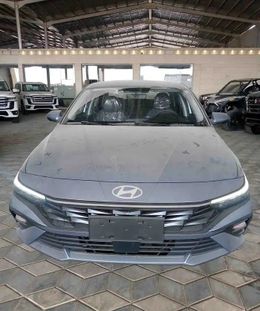
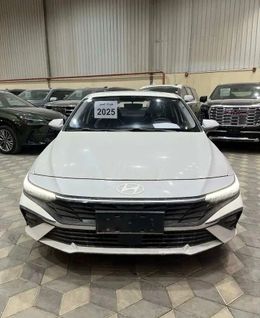
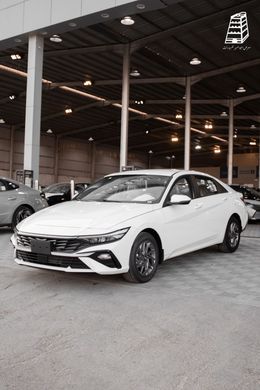
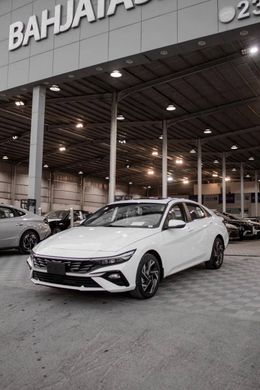
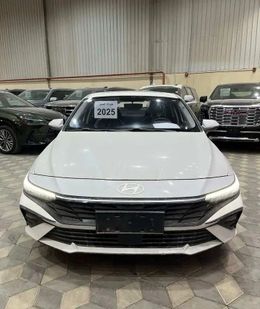
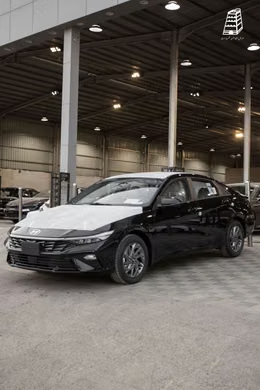
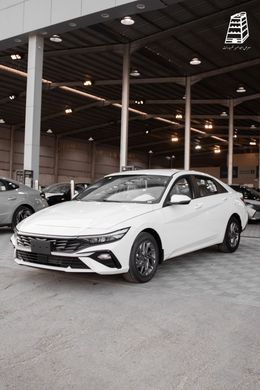
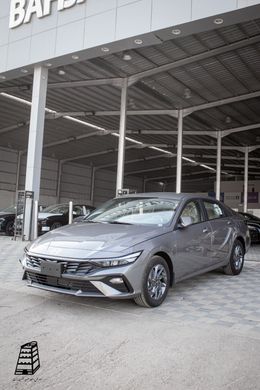
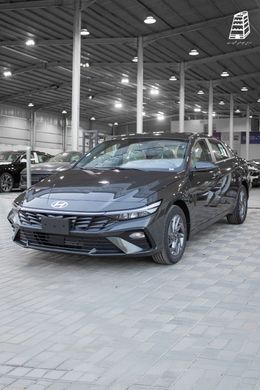
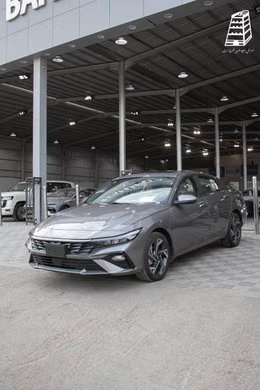
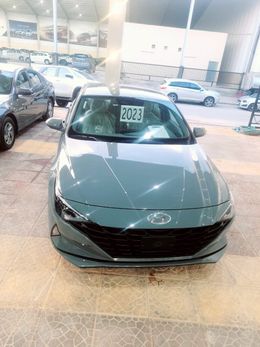
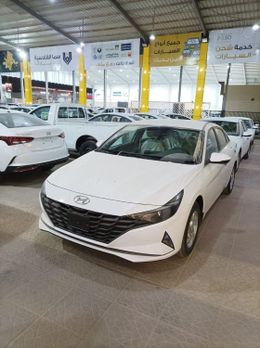
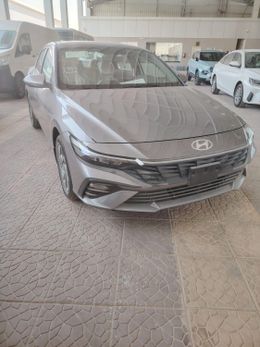
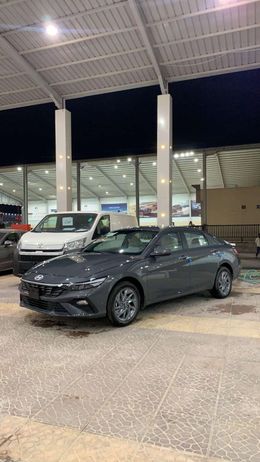
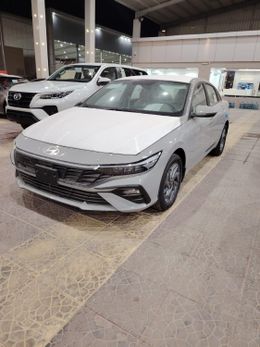
Цена Hyundai Elantra начинается от 12 500 AED и достигает 803 054 AED. Итоговая стоимость на дороге может незначительно отличаться в зависимости от страховки, регистрации и дополнительных аксессуаров.
На графике — динамика средней цены модели на вторичном рынке за последний год. Эти данные помогут вам оценить выгодность покупки и спрогнозировать будущую стоимость авто.
Цены на AUTO.AE могут отличаться от фактической стоимости продажи. Данные основаны на нашей базе проданных автомобилей и актуальных объявлениях. Для точной оценки воспользуйтесь нашим инструментом.
Check the coolant replacement interval for your specific Hyundai Elantra. Hyundai UAE gives a general guideline of two years or 40,000 km, but this does not replace the schedule for your model year and engine. Before booking the work, confirm the requirements using the VIN and check when the coolant was last changed. Briefly. Confirm the interval and the correct coolant for your Elantra. Follow the maintenance schedule when the level is stable and the system is working properly. Repeated top-ups, contamination or overheating require investigation regardless of the distance covered since the last change. How to confirm the replacement interval The Hyundai UAE maintenance advice specifies a coolant change every two years or 40,000 km. This is a general advice page for the brand; it does not distinguish between Elantra generations. Use it as a starting point when speaking to the workshop, then confirm the applicable interval in your vehicle documentation. Identify your version Give the workshop the VIN, model year and engine details. Ask it to identify the relevant schedule entry and check whether the first change of the factory coolant differs from later replacements. Where the schedule gives both time and distance limits, use whichever comes first. Do not automatically apply the requirements for a standard petrol Elantra to an Elantra Hybrid or Elantra N. Confirm the circuit being serviced, the fluid and the procedure for those versions separately. The work order should identify the individual vehicle, even when the model name is the same. When previous replacement records are missing An invoice with the date, mileage and coolant name is more useful than a note saying that the fluids were checked. A top-up or a partial drain during a repair does not establish that a full replacement took place. If the history is unclear, ask the workshop to assess the system and agree on a maintenance plan. When considering a used Elantra, review current offers alongside the available service records. Before buying, ask about overheating, radiator repairs and repeated visits for coolant loss. Fresh fluid alone does not establish that an earlier fault has been resolved. Why coolant still needs attention in a hot climate Coolant works throughout the year. Hyundai UAE explains that corrosion inhibitors are gradually depleted, which is why the fluid needs periodic replacement. A frost-free climate does not remove that requirement, and low annual mileage does not cancel a time limit. Hot weather and journeys with the air conditioning running are reasons to pay attention to the cooling system. They do not provide a basis for inventing a shorter replacement interval. Ask the workshop which requirements apply to your driving conditions and distinguish a system inspection from a coolant change. When to seek help before the scheduled change Do not leave a falling coolant level or rising engine temperature until the next routine service. The first task is to establish what has happened. The coolant may not be due for replacement, while the system already needs a repair. Checking the level Check the reservoir on level ground with the engine cool, using the marks and procedure in the owner's manual. Compare readings under the same conditions. Do not fill above the specified level or open a hot cooling system to assess the fluid. Look for visible traces of leakage in accessible areas. Keep hands and clothing away from the fan and other moving parts. If the level falls again, tell the technician how much coolant you have added and how often. Important. Never open the cap of a hot radiator or expansion tank. Pressurised coolant and steam can cause burns. If the engine overheats, stop safely and follow the vehicle instructions. Do not resume driving until the cause has been resolved. Choosing the correct coolant Select a product that meets Hyundai's requirements for your version. Ask the workshop to specify its full name and explain how compatibility has been confirmed. A broad claim such as “for Asian vehicles” is not enough on its own. Colour and chemistry GLYSANTIN explains that colour does not identify a coolant's chemical or technical properties. Two fluids with the same colour are therefore not necessarily suitable for mixing. If the existing product is unknown, agree on how the system will be changed over to the correct coolant. Do not choose a replacement simply because it was used in another Elantra. Keep a record of the product installed so it can be identified at the next service. Premixed coolant and concentrate Premixed coolant and concentrate require different handling. Follow the product instructions and the vehicle requirements for the mixing ratio and water quality. In its coolant filling guidance, HELLA advises following the manufacturer's instructions; adding an arbitrary extra amount of antifreeze does not improve cooling. Confirm the required quantity for the engine and the service procedure. The number of containers purchased does not establish that the system has been filled correctly. Ask for the quantity actually used to be recorded on the invoice. What the service should include Before authorising the work, ask for the estimate to distinguish the planned replacement from additional operations. An inspection, a leak repair and cleaning a contaminated system address different needs. Changing the coolant does not automatically require a new radiator or thermostat when those parts are functioning correctly. Filling and removing trapped air HELLA notes that trapped air reduces coolant circulation and can cause overheating. After replacement, the system must be filled and bled using the vehicle procedure, then checked for correct operation and leaks. Ask when to check the level again after the engine has cooled completely. If it continues to fall after the service, return for diagnosis. Repeated top-ups do not resolve an ongoing problem. When the engine temperature rises HELLA's diagnostic guidance includes checking the fan, airflow through the radiator, thermostat, pump and temperature readings. Tell the technician whether the problem occurred in traffic, while stationary or while driving. That information helps select the checks, but it does not identify a failed component without inspection. Checklist after replacement ☐ The work order identifies the correct vehicle and engine. ☐ The service date and mileage are recorded. ☐ The coolant name and quantity used are listed. ☐ Air removal and final system checks have been completed. ☐ You know when to check the cold coolant level again. ☐ The next replacement follows the applicable maintenance schedule. Conclusion For a Hyundai Elantra, start by confirming the schedule using the VIN and reviewing its service history. The correct coolant and filling procedure matter as much as timely replacement. If the level drops or the engine overheats, arrange diagnosis without waiting for the next scheduled change.
When to change brake fluid in a Hyundai Elantra
The Hyundai Elantra brake fluid interval depends on its model year and version. The 2025 Elantra CN7 schedule specifies replacement at 45,000 km or 36 months, whichever comes first. Confirm that this interval applies to your car using its regional service plan and VIN. Applicability. The figures below refer to the 2025 Elantra CN7 manual. For another year, market, Hybrid or N, check the requirements against the VIN and the documentation for that version. Brake symptoms that need an inspection During everyday driving, gradual changes in pedal feel can become familiar. Pay attention to the way the car responds as well as the warning lights on the dashboard. Arrange an assessment if you notice any of these signs: The pedal feels unusually soft or its travel increases. The pedal continues to sink under steady pressure. Braking performance noticeably declines after repeated stops. A brake-system warning stays on with the parking brake released. The reservoir level falls quickly or fluid traces are visible. Unsafe braking. If fluid leaks, the pedal sinks or braking performance clearly deteriorates, stop safely and arrange recovery. A routine fluid change does not fix every brake fault. Why brake fluid ages even at low mileage Brake fluid transmits pressure through the hydraulic system. Glycol-based fluids gradually absorb moisture, which lowers their boiling point. Under intense heat, compressible vapour bubbles can form, changing how the brakes respond to the pedal. An Elantra used only for the commute between home and work may reach its time limit before its mileage limit. Leaving the car parked does not reset the age of the fluid. Keep both the date and the odometer reading of the last complete replacement in the service history. The colour of brake fluid does not reliably establish its condition. Testing with a suitable instrument can help diagnosis, but an inspection result is not a new replacement date. Ask the workshop to record what was measured and explain how the result relates to the maintenance plan. Hyundai Elantra brake fluid replacement intervals The 2025 Elantra CN7 maintenance schedule includes fluid inspections at intermediate services spaced 15,000 km or 12 months apart, with replacement at 45,000 km or 36 months. The next replacement shown is at 90,000 km or 72 months. In each case, the earlier limit applies. These figures belong to that manual and do not cover every Elantra. Check the individual schedule when buying a different model year. If the history simply says “service completed”, request the itemised invoice: a level check and a complete fluid replacement are different operations. Choosing the correct brake fluid The 2025 CN7 fluid specification table lists DOT-4. Its footnote recommends compliance with SAE J1704 DOT-4 LV, ISO 4925 Class 6 and FMVSS 116 DOT-4. Check the complete product specification when selecting fluid. A large DOT 4 label on the front of the bottle is insufficient on its own. The same manual gives a capacity of 0.7–0.8 litres. This is a reference system capacity, not a guaranteed quantity for replacement and bleeding. Agree the required service quantity with the workshop separately. Use fresh fluid from sealed packaging and have the product identified on the invoice. Considering driving conditions in the UAE Discuss city traffic, coastal driving and routes with mountain descents when booking a service. Before a long journey, review the replacement deadline and report any unusual pedal behaviour. An inspection well before departure leaves time to address any fault that is found. Does the car need a shorter interval The 2025 CN7 severe-use schedule calls for more frequent inspections of some brake components, but does not list a separate shortened brake fluid replacement interval. An annual change “because of the heat” should therefore not be presented as a universal Hyundai requirement. Confirm the reason for earlier replacement against the car’s condition and documentation. If brake behaviour changes after a descent, do not wait for the next routine service. Tell the workshop when the symptom appeared. A return to normal after cooling does not establish that the system is sound: the cause needs diagnosis, rather than just fresh fluid. Why the Elantra version matters Provide the VIN and exact version before booking the work. Do not automatically transfer requirements from a conventional CN7 to an Elantra Hybrid, Elantra N or an earlier generation. The workshop should verify the fluid specification and air-removal procedure against the repair documentation for that car. What to confirm before replacement Ask the workshop to describe the scope of the service and how it will check the result. This helps avoid a service limited to refreshing the reservoir contents. The booking should cover the following points: Confirm the vehicle version and required fluid specification. Inspect the system and investigate any low fluid level. Agree the product, quantity and complete cost of the service. Replace the fluid and remove air using the vehicle’s procedure. Check for leaks, confirm the level and verify brake operation. Record the date, mileage, product and next service deadline. Why topping up does not replace servicing A top-up corrects the level but does not renew the fluid throughout the circuits. Repeated drops in level require investigation. After hydraulic repairs, confirm that the specified air-removal procedure was completed. If the pedal feels unusually soft after the work, the car needs another inspection before returning to use. What to check when buying a used Elantra When browsing current offers for a Hyundai Elantra, spend time reviewing the service paperwork. Low mileage and a tidy interior do not establish when the brake fluid was changed. Use this checklist before buying: ☐ Confirm the model year, VIN and exact version. ☐ Find an itemised record of a complete fluid replacement. ☐ Compare its date and mileage with the applicable service plan. ☐ Ask about top-ups, leaks and repairs to the brake hydraulics. ☐ Include the brakes in an independent pre-purchase inspection. Common mistakes to avoid Applying an interval from another Hyundai model or Elantra generation. Selecting fluid by its DOT 4 label without checking the specification. Treating a pad change as evidence of a fluid replacement. Confusing reference system capacity with the full service quantity. Delaying diagnosis because the routine replacement is not yet due. Conclusion For a Hyundai Elantra, start by confirming the schedule for its year and version. Then agree the correct fluid, the complete replacement procedure and a written service record. Track both time and mileage, and respond separately to any change in pedal feel or braking performance.
When to replace spark plugs and glow plugs in the Hyundai Elantra
The Hyundai Elantra does not have one plug replacement interval for every engine. The conventional petrol 1.6, Smartstream engines, turbo versions and hybrid require their own schedule checks. The model name or engine capacity alone is not enough to select an interval. Petrol Elantras use spark plugs; diesel versions use glow plugs. Their functions, fault symptoms and testing methods differ. This guide explains how to identify your version, plan servicing and investigate rough running. Before ordering a set, confirm the VIN, model year, engine code and service history. If the engine has been replaced, compare its actual identification with the vehicle records. Identify the engine first “Elantra 1.6” can describe several powertrains. The petrol 1.6 D-CVVT differs from the Smartstream G1.6, while the hybrid 1.6 GDI differs from a turbo engine. D-CVVT refers to variable valve timing; it does not mean diesel. Standard and performance versions The four-cylinder petrol engines listed use one spark plug per cylinder. Matching quantities do not make sets interchangeable. Elantra N and N Line must also be distinguished: they have different engines, and sporty exterior trim cannot replace a VIN check. Hybrid and diesel versions The electric motor in an Elantra Hybrid does not remove the petrol engine’s servicing needs. It still requires spark plugs. Silence under the bonnet does not guarantee the vehicle is switched off: the engine can start automatically. Earlier Elantra generations included diesels such as the 1.6 CRDi U2. These require a separate discussion of glow plugs. Their place in the model’s history does not mean a modern Elantra with similar bodywork has a diesel engine. The table separates the main variants but does not replace a fitment catalogue. Check the individual vehicle documentation for older generations and other engines. Spark plug replacement intervals The Hyundai Elantra CN7 2025 manual gives the following normal-use intervals with unleaded petrol. Apply them only after confirming the engine, model year and regional specification. This table does not set an interval for every Elantra. A Smartstream entry cannot be transferred to an older MPI, an Elantra N or a hybrid simply because the engine capacity matches. Check their schedules separately. When replacement should be earlier For severe use, Hyundai specifies more frequent spark plug replacement depending on condition. Relevant patterns include repeated short trips, extensive idling, heavy traffic and frequent stop-and-go driving. With such use, do not wait for the maximum mileage if rough running develops. Agree an inspection and replacement plan with the workshop using the applicable schedule. Arbitrarily halving every interval is not a substitute for the manufacturer’s requirements. When the service history is missing When browsing current offers for the Hyundai Elantra, ask for evidence of the last plug replacement: its date, mileage and part numbers. A general “service completed” entry does not establish that the plugs were changed. Without records, start by confirming the engine version, stored faults and ignition condition. If the installed set is unsuitable or replacement is overdue, plan to renew it even if the car still feels smooth. Signs of wear and fault diagnosis Inspect the plugs when idle becomes uneven, starting becomes difficult, acceleration falters or misfires occur. These symptoms do not prove a plug fault: coils, injectors, intake air leaks and mechanical problems can cause similar behaviour. If the engine warning flashes and the engine misfires severely, stop accelerating and pull over safely. Prolonged misfiring can damage the catalytic converter. Arrange transport to a workshop if severe rough running continues. Selecting a replacement set Check the original part number and approved alternatives, heat range, thread dimensions, threaded reach and seat type. The gap and tightening specification must suit the exact engine and component. There are no universal values for the entire Elantra range. An “iridium” label neither confirms fitment nor authorises a longer interval. A more expensive electrode material cannot correct unsuitable dimensions or heat range. Be particularly careful when selecting parts for turbo and hybrid engines. Why new plugs may not solve the problem If oil leakage, an incorrect mixture or a damaged coil caused the fault, new plugs may foul again or continue misfiring. Keep removed plugs in cylinder order: differences can guide diagnosis, but deposit colour alone does not establish the cause. Glow plugs in a diesel Elantra A diesel glow plug helps create suitable ignition conditions at startup. It does not produce a spark like a petrol plug. Where post-glow is used, heating continues after starting to help the engine run steadily while warming up. When to investigate Difficult starting after parking, uneven running immediately after startup, smoke and glow-circuit faults warrant inspection. Warm weather can make a fault less obvious. However, prolonged cranking can also involve the battery, fuel supply or compression. The petrol replacement intervals above do not apply to diesel glow plugs. Check the schedule for the specific CRDi; if it gives no routine replacement interval, use diagnostic findings to decide. Do not assign one mileage to all diesel Elantras without identifying the engine. Test the supply and plugs together NGK’s guidance describes resistance testing for glow plugs. Compare readings with the requirements for the particular component. Do not connect a plug directly to the battery simply to watch its tip glow: this test can damage the heater. The workshop should also assess wiring, connections, supply and the controller. A fault in one channel does not always mean the plug has failed. An unresolved control fault can damage a replacement set again. Selection and careful removal Replacement requires the correct operating voltage, heater length and type, thread and control-system compatibility. DENSO’s fault-finding and installation guidance also highlights damage causes and correct fitting. Do not keep increasing force on a seized plug. Preparation and allowable removal torque depend on the repair procedure. If breakage is a concern, use a workshop with appropriate equipment. Check that the tip is complete after removal. Decide between one plug and a full set after assessing the other elements and the cause of failure. A set may be justified where wear is widespread, but supply and control problems must be corrected first. Checks for spark plug replacement ☐ Confirm the engine, part numbers and plug quantity. ☐ Switch the vehicle off and prevent accidental starting. ☐ Allow the petrol engine to cool before working. ☐ Clean the wells and inspect the coils and boots. ☐ Prepare a suitable plug socket and tightening specifications. Start each plug squarely and tighten it to the requirements for that engine and component. Excessive torque risks shell and thread damage; insufficient torque compromises sealing and heat transfer. Do not lubricate threads without an explicit manufacturer instruction. Do not bend fine electrodes with ordinary tools. Wire brushing and rough gap checking can damage a plug. Inspect any dropped component carefully: a ceramic insulator crack may not be immediately obvious. For an Elantra Hybrid, follow the safe shutdown procedure for its hybrid system. Do not start work merely because the petrol engine has stopped. High-voltage components require separate training and precautions. Frequently asked questions Should coils be replaced with the plugs Not automatically. Test coils and replace them when a fault is confirmed. During scheduled plug replacement, inspect boots, connectors and insulation, and resolve any oil or water contamination in the wells. Can replacement wait if the engine feels smooth A lack of symptoms does not cancel scheduled replacement. Wear may become noticeable only under load. Keep the part numbers and mileage after servicing, check starting and engine operation, and confirm that any rough-running fault has been resolved. Conclusion Choose Hyundai Elantra plugs and replacement timing by the exact engine, rather than capacity or exterior appearance. Petrol versions and the hybrid need spark plugs; a diesel needs separate glow-system assessment. When rough running develops, establish the cause before choosing replacement parts.
Вопросы и ответы о Hyundai Elantra (FAQs)
В объявлениях могут быть представлены комплектации Hyundai Elantra от 1972 года Active, SE, Comfort, Luxe и другие. Актуальный список зависит от выбранной страны, года выпуска и наличия автомобилей. Используйте фильтр «Комплектация», чтобы сравнить доступные варианты.
Пробег следует оценивать вместе с возрастом, состоянием и сервисной историей автомобиля. Сравните показатель с похожими машинами того же года и перед покупкой проверьте историю обслуживания и фактическое состояние автомобиля.
Сейчас на AUTO.AE представлены Hyundai Elantra от 1972 года по цене от 12 500 до 803 054 AED. Цена зависит от года выпуска, пробега, комплектации, состояния и региональной спецификации. Данные рассчитаны по активным объявлениям и могут меняться.
У частного продавца цена может быть ниже, а шоурум может предлагать дополнительные услуги — например, финансирование, гарантию или помощь со страхованием. Условия различаются, поэтому проверяйте информацию в объявлении, документы автомобиля и данные продавца.
Проверьте регистрационную карту автомобиля Mulkiya, VIN на автомобиле и в документах, данные владельца, сервисную историю и сведения об авариях. Также уточните наличие действующего кредита, штрафов или других ограничений. Перед сделкой желательно провести независимую проверку.
Да. Можно договориться с продавцом о независимой технической проверке в выбранном сервисном центре. Диагностика поможет оценить состояние двигателя, трансмиссии, кузова, электроники и других узлов.
GCC Specs означает, что автомобиль изготовлен в спецификации для рынков стран Персидского залива. Такие версии обычно рассчитаны на местные климатические условия. Однако GCC Specs сама по себе не подтверждает состояние автомобиля и не означает наличие действующей гарантии — это нужно проверять отдельно.
Некоторые шоурумы предлагают финансирование. Если оно доступно, условия или ориентировочный ежемесячный платёж могут быть указаны в объявлении. Итоговая ставка и одобрение зависят от банка, первоначального взноса и данных покупателя.